Fraud: What if we treat for-profits the same as nonprofits when they get public money?
Q&A with Minnesota Council of Nonprofits about new laws and efforts to fight fraud in the state.
Fraud has drawn a spotlight to health and human service programs and childcare services – where public money moves from the government into our communities.
Not all fraud allegations have proved true in Minnesota, even as scrutiny has increased from federal officials and other players, such as a YouTuber who posted about the state’s childcare centers late last year.
The Minnesota Council of Nonprofits, which supports and advocates for the state’s nonprofit sector, reviewed fraud cases involving state funding and found individuals primarily used for-profit entities like LLCs to commit fraud.
Attempts to mitigate fraud will impact organizations that provide subsidized services and likely the people who receive those services.
Minnesotans have wanted to see improvements. The state was home to the $250 million Feeding Our Future federal fraud scheme during the pandemic. In May, its leader Aimee Bock was sentenced to more than 40 years in prison. The Feeding our Future nonprofit claimed to provide children with food.
“Only nonprofits were authorized to be sites to provide food for those federal programs until COVID happened. Then they needed to really ramp up how many sites there were and how often they were providing food. And so the federal government had a waiver and said, ‘Actually, for-profits can be sites now as well.’ That's when we saw the fraud happen,” said Marie Ellis, senior advisor for policy and impact at the Minnesota Council of Nonprofits. “They've since taken away that waiver, and so now it's only nonprofits again.”
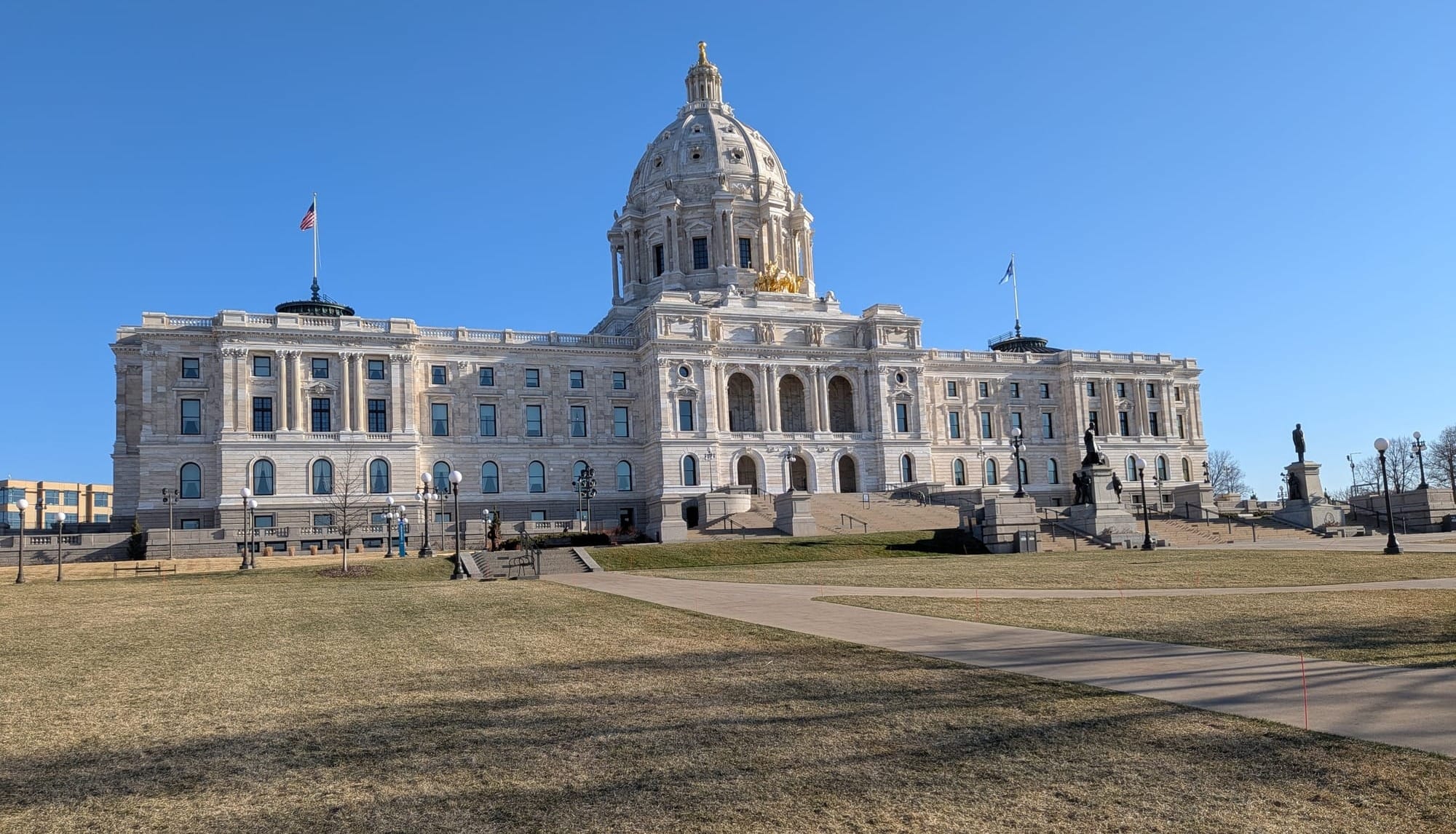
The Minnesota Council of Nonprofits supports nonprofit organizations across the state and made a number of recommendations to lawmakers during the session. It ended in May with several new policies, including the creation of an inspector general position and an increase in staff in the attorney general’s office.
The Council has also recommended that state agencies require transparency from for-profit organizations when they receive public funds.
Under current state and federal law, 501(c)3 nonprofits are required to submit annual financial and tax filings, conduct an annual audit for income over $750,000, and have a board of directors that oversees finances and governance. For-profit providers do not have to follow this same oversight.
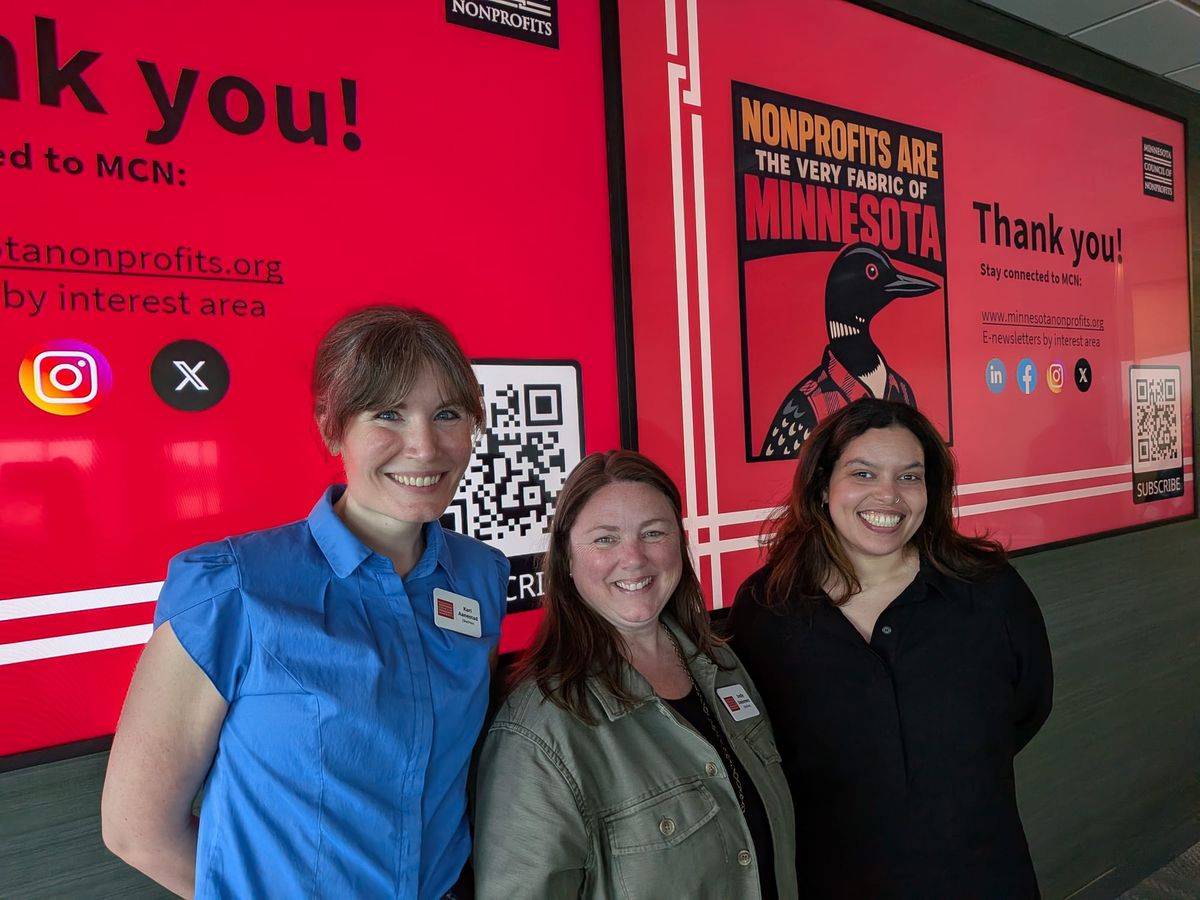
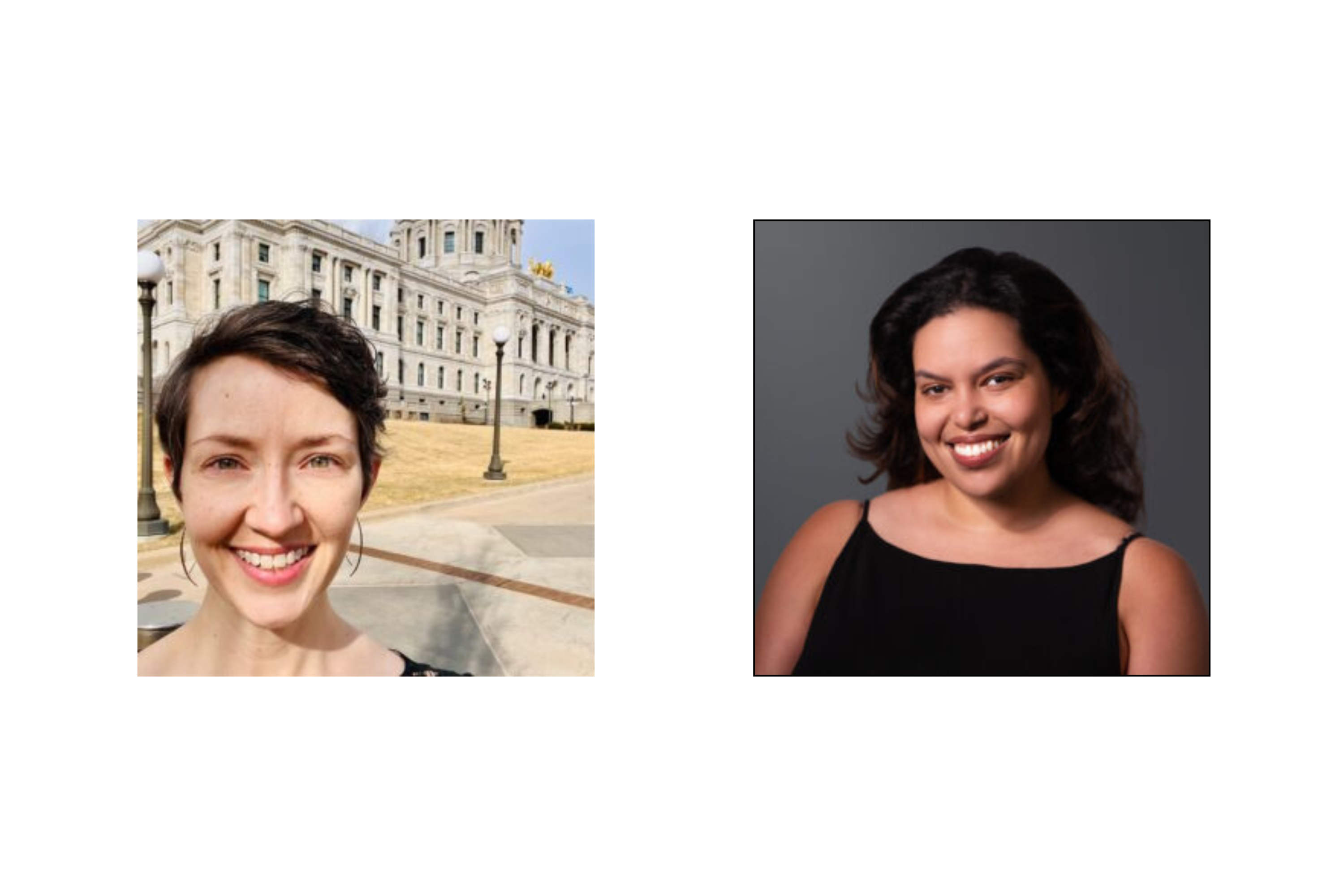
Project Optimist caught up with two staffers to talk about this idea and other fraud fixes: Director of Public Policy and Research Halla Henderson and Senior Advisor for Policy and Impact Marie Ellis.
One of the proposals recommended by the Minnesota Council of Nonprofits was about establishing similar transparency requirements for for-profits that already exist for nonprofits when they get public money. Did that come up at all in the session? Is there anyone else doing that that we could look to?
Marie Ellis: We did not see lawmakers or state agencies move in that direction at all this year. But it's a new concept, for most people.
Most legislators don't come from a nonprofit governance background, so they're usually not familiar with the rules and regulations around transparency and disclosure requirements for nonprofits, or how that differs from for-profits. First, people need to understand where the fraud actually occurred, and what types of entities have been involved. Because there's an assumption that most providers of basic needs services are nonprofits, and we don't think that that's the case.
We don't have great data on it, because the state doesn't keep great data on it, or doesn't make it public, I should say. But we're pretty sure that most basic needs service providers are for-profit entities.
I tried to look into whether any other states have adopted this kind of approach, and I couldn't find anything quickly, so I think the answer is no.
Minnesota's experience is somewhat unique, because the Feeding Our Future case pushed a lot of these questions about oversight and accountability into the public conversation in a very visible way. And what we're seeing from our partners in other states is they're just beginning to grapple with a lot of these issues. So, in a lot of ways what happens here could be a model for other states, either in what works or what doesn't work.
Where did the idea come from?
Ellis: We started really looking into all of this because we heard from our members, nonprofits, who were extremely frustrated. They felt like nonprofits were sort of being painted in this negative light, with a lot of people assuming when they see that an individual has committed fraud through a basic needs provider, people assume that's a nonprofit.
So we started looking into it, and I'll be honest, I was surprised to find out that most of the fraud had happened through for-profit providers.
And so then, as we were looking at that, I'm sure one of us, one of us or our colleagues said, ‘you know, it's weird that nonprofits have to provide all this information, but I don't think for-profits have to. And so we looked into it, and, you know, each agency has different things that they require in terms of documents needed to authorize an entity to partner with the state.
But none of it looked as robust as what nonprofits are required to do, or provide, whether or not they're contracting with the state. And so we thought a lot of these issues, perhaps, could have been solved if some of these requirements, were required for for-profits as well.
With transparency expectations, should that follow the public dollars, or should it follow the tax status of an organization? So right now, nonprofits are subject to substantially more public disclosure requirements than for-profit entities, even though they might be doing the same work.
Do you have a draft policy, or, what will be the next step?
Halla Henderson: A next step for us is starting to have some conversations with decision makers around this. I don't believe that we have draft policy language. No. It's introducing the idea often for the first time in some of these spaces.
What did or what did not change in the legislative session to take on fraud or try to reduce it?
Henderson: I would summarize it by saying there were a couple of different buckets. There was the work that had begun in previous sessions around, more proactive fraud measures, things like the office of inspector general. There were some pieces of legislation that were about: How do we respond to what has already occurred, and try to get some of that money back, and continue to see if there are other tendrils where fraud could still occur?
You saw a lot of legislation talking about incidences of fraud, while also talking about places where maybe some internal controls could have been better supported. So there was a number of pieces of legislation around that. We saw some that passed.
A lot of fraud proposals did not pass. And that wasn't super surprising, I think, to both the lawmakers and folks who were in those spaces. [There was] an overwhelming amount of legislation that was introduced, and that whittles down to the bipartisan pieces that were able to make it through. Things like the office of inspector general.
 Nora Hertel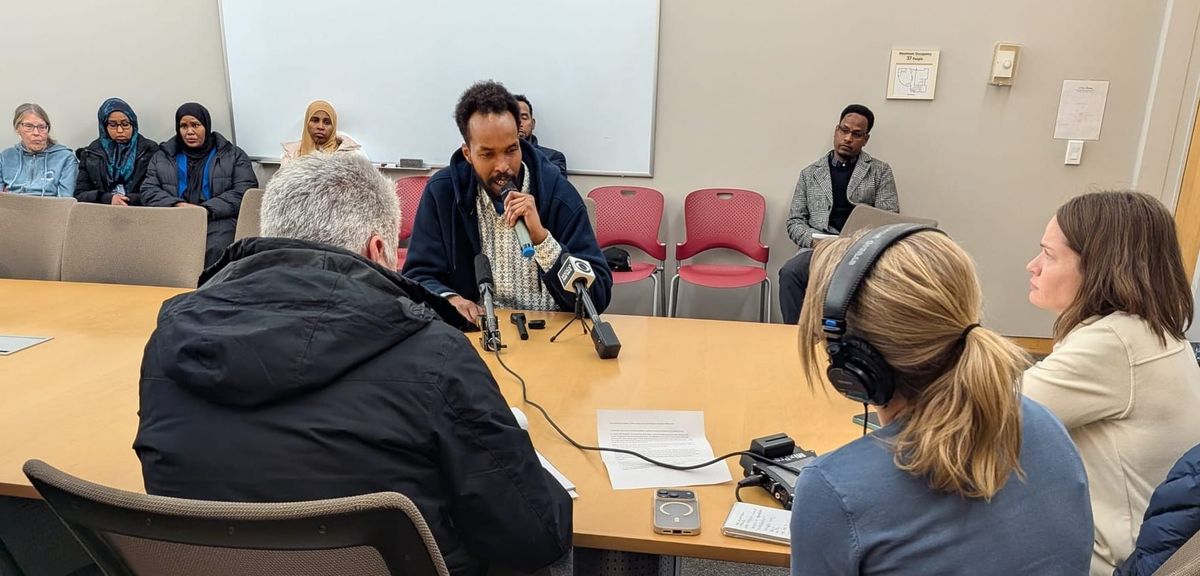
There were some fraud measures that I think we have some questions around and, still are watching with some hesitation about what some of the unintended consequences might be.
But there were others that were, I think, really just an extension of previous policy decisions – things like additional support for the Medicaid fraud unit within the attorney general's office. Or there's a piece of legislation that passed in the last days of session that is pretty similar to some of the pre-award risk assessments and some of those verification mechanisms, and it's just expanding it a little bit.
Who is most affected by this? What kind of organizations, what kind of services, would be most affected?
Henderson: I think it's a little bit of everyone. It's absolutely the folks who receive services, and in a perfect universe, what we would be saying and seeing is that these measures support their ability to get their services.
We want to make sure that dollars that are going out of the state are going to organizations and to communities that need that funding and need those resources. And I think we also see a place where there could be organizations that are caught in some of these systems, or caught in some of these flags, and that could lead to a lapse of services. And so we're holding both.
Organizations are watching this really closely, both because I think organizations want to make sure that they're doing what they can to stay as compliant as possible, but also are nervous and trying to understand what will these changes mean.
And what will it mean if I somehow am doing everything right, but I still find myself caught in a system? How do I then continue to provide for the folks that we support and maintain the reputation of our organization?
Ellis: Yeah, what we're most concerned about is the people whose services are cut off abruptly, and they don't have access to other services, because, you know, they may live in a rural area, something like that.
 Nora Hertel
Where is there still room for improvement? You all are the policy people, so policy-wise, where is there room for improvement?
Henderson: We're representing nonprofits, so our perspective is somewhat different than a lawmaker's perspective might be, but we think that the biggest place where there needs to be some improvement would be adding in some nuance. What works for one space might look slightly different for another.
We think that lawmakers should also be talking directly to folks who are doing the work, who are receiving this funding, and understand where there are places where they can learn from different processes that are working really well, that are requiring the right amount of information, and others where maybe they're not requiring as much information as they should, and starting to think through that.
We absolutely think that a place for improvement is the lack of oversight for for-profits. We know that there is a role and a place for all providers.
And I think it's hard for us to think about: How do we actually tackle this if one of the places where, at least from our perspective, we can see the largest amount of fraud occurring is currently not being addressed as robustly as it probably could be?
And I think the last piece is, it's a little bit of a waiting game, trying to figure out how all of this works and fits together. And then how do we come back to the table and continue to have good conversations with lawmakers about, here's the impact, here's where we're seeing where it's working well, and here's what's still outstanding.
 Nora Hertel
Ellis: I think that's great. I'll just add two things. One is that I think there needs to be some improvement around how the state stops payments to an entity when there are concerns about fraud, so that we're not seeing individual people get cut off from their services. And then the other thing is bigger picture changes that are needed to curb fraud at this point are not flashy, and they do not make good election season soundbites. They're very operational, they're decisions really deep in agency systems and processes.
Henderson: Part of the problem is technology and how outdated many of our systems are. And that pulls a thread that then becomes both incredibly expensive, but also, I think, difficult for a layperson to necessarily understand. We're policy folks, and we're still trying to understand all of it.
Ellis: Agreed. Similarly, with the different agencies collaborating and talking to each other about what they're doing. The agencies are pretty siloed, and mechanisms for how to unsilo them are real wonky, not something that the public is really jazzed about.
This interview has been edited for clarity and length. It was fact checked by Nora Hertel with the recording of the interview, with Marie Ellis and Halla Henderson, and with additional sources.