
How Grand Rapids residents talk about firearms – with civility
A dozen people in Grand Rapids, Minn., all rooted in a community with a strong hunting culture., shared diverse experiences and opinions about firearms.
Editor's Note: This story was originally published in the November/December issue of Minnesota Women's Press in a collaborative series on firearms between the magazine and Project Optimist.
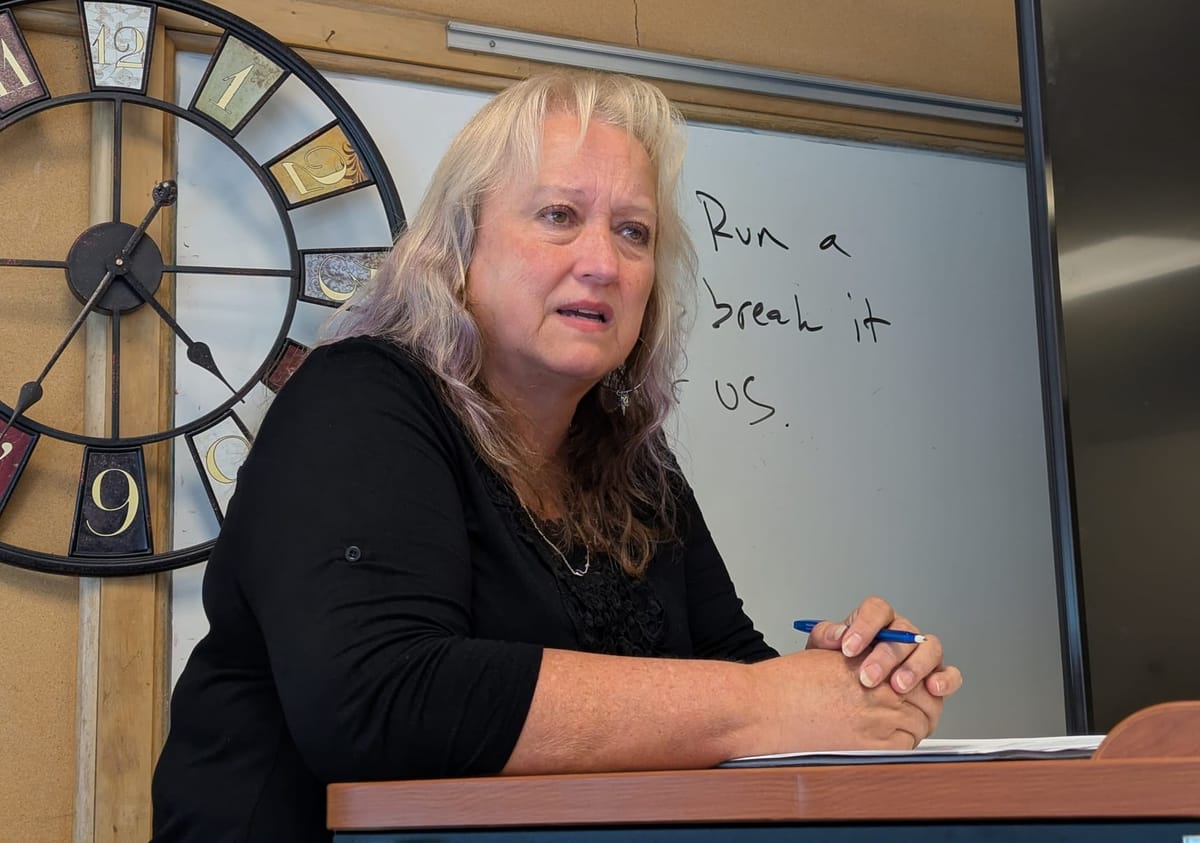
GRAND RAPIDS, MINN. – In July, Minnesota Women’s Press and media partner Project Optimist convened a group of about a dozen people in Grand Rapids to discuss experiences with firearms. The goal was to get a variety of perspectives and experiences about guns from a Minnesota town with a hunting culture. The discussion was moderated by Alice Moren, who moderates topics in the Big View program through local organization KOOTASCA.
Childhood memories
Marian reflected on a positive aspect about deer-hunting culture. “On opening day, no less than 20 people showed up in the yard. My dad would crank up the old tractor, and he would load people onto the old wood-carrying trailer and haul people out to the woods. … I think the schools actually shut down a day or two during deer season so that kids and teachers could hunt. There was this positive, almost holiday-like atmosphere around deer hunting.”
Alice talked about seeing guns glamorized as a kid — not from video games, but “growing up watching John Wayne and the Lone Ranger. That was part of my early roots, seeing people getting shot, and you clapped.”
Growing up the youngest of seven in farm country in southwestern Minnesota, Merle said that hunting rabbits was a source of food. He was trained at age 12 to shoot, but stopped using his BB gun after accidentally killing a sparrow. Years later he was invited deer hunting, and was given a pistol for safety in case of an encounter with a bear. He took practice shots at a tree. “I missed the tree.”
 Jen Zettel-Vandenhouten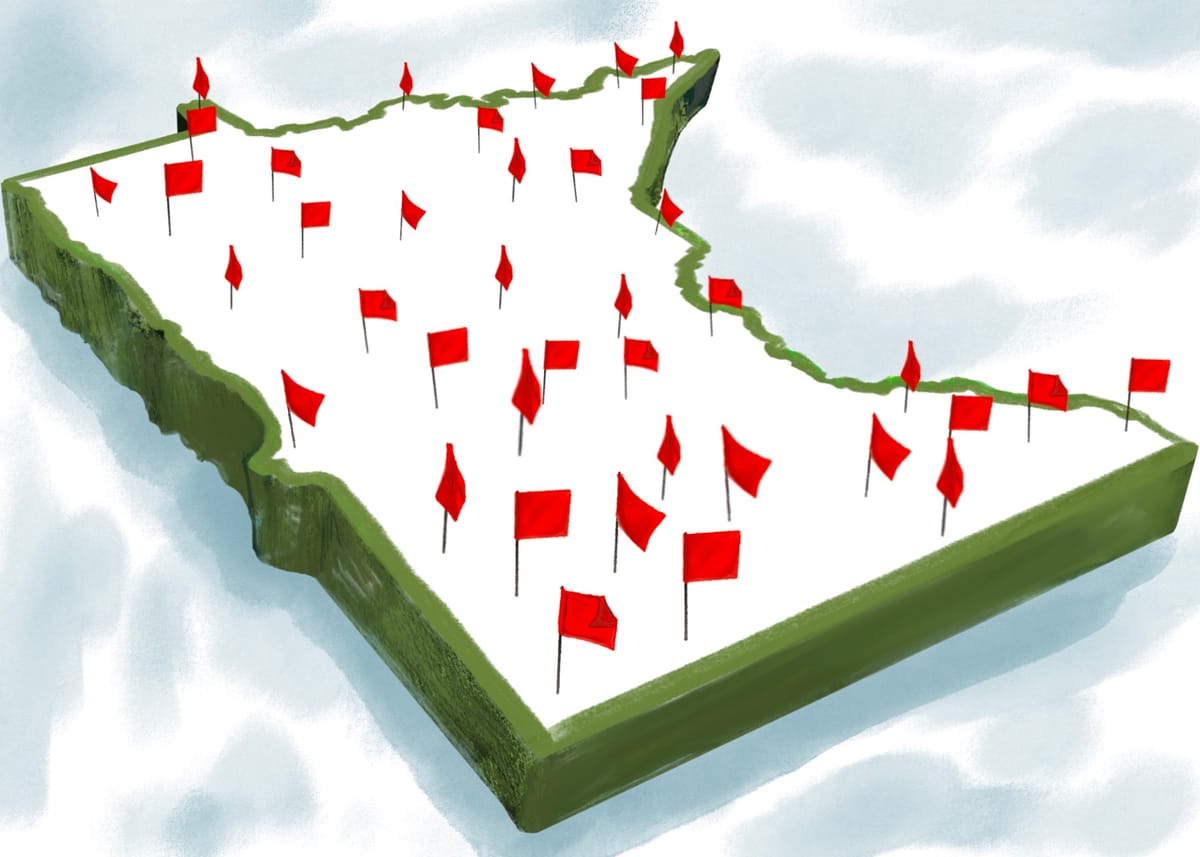
When guns make us unsafe
Merle eventually worked in a Baltimore ministerial internship alongside a pastor. The first death in the community after his arrival was a child accidentally shot by a friend. “The father of the child who was shot wanted me to forgive him. He was so angry at the father of the child who shot his son that he wanted to kill him.” Merle struggled to find the words of comfort the father sought.
Trinnitie shared, “A kid 20 minutes from where I grew up got shot by a cop because they thought his squirt gun was a real gun. Now toy guns have orange tips.”
Marian said her viewpoints about guns changed when schools started having mass shootings. “(The Columbine high school shooting in Colorado in 1999) felt like it was only going to be a single incident — but it became a copycat, and a pandemic in my mind.”
When people started to have access to automatic weapons, she said, that went beyond what should be normal. “Nobody’s going to take out an AR-15 or an AK-47 and shoot a deer. You’d have hamburger on the spot filled with fur. That doesn’t belong in our society that at one point valued guns for food.”
Connie said that when she was in high school, someone in Grand Rapids was killed protecting a student from the gun a classmate brought to school.
When she became a teacher, lockdown drills began to be part of the school year. Younger kids were sometimes traumatized, not knowing if something was happening in real time. As a substitute teacher, Connie indicated, she first learns the escape routes.
“Walking on school property is (now sometimes) more dangerous than walking in the woods. … I don’t understand why people think guns are the way to solve a problem.”
 Jen Zettel-Vandenhouten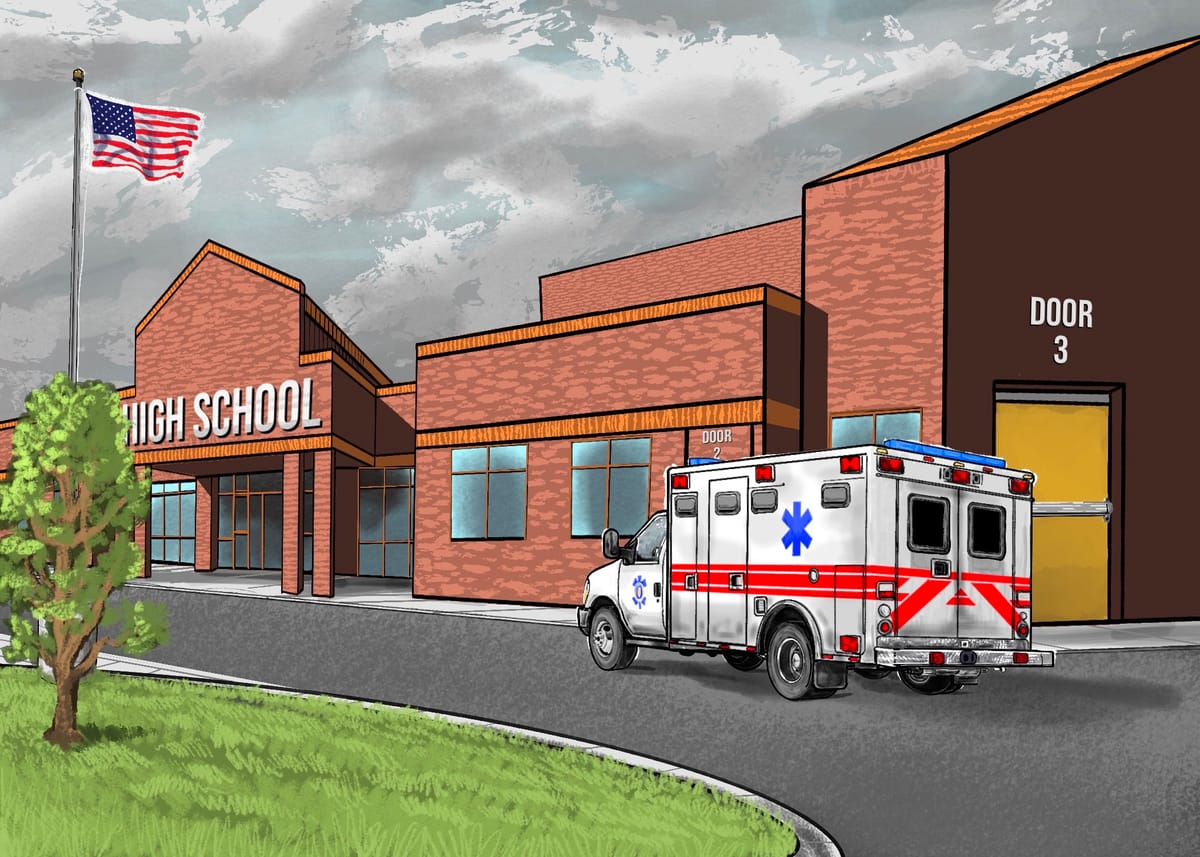
Dave collects guns, he said, including antiques that he sees as pieces of art made by skilled craftsmanship. He also has experienced the dangerous side of guns. “My mother’s brother was shot with a hunting accident by his grandson, walking to a duck pond. It killed him. So, yeah, there are all kinds of things going on. But once something is invented, it’s here.”
Rick talked about hunting rabbits and grouse as a kid, the assassination of President John F. Kennedy, and being robbed at gunpoint as a cab driver. The recent political shootings, he said, killed Rep. Melissa Hortman, who “valued all of Minnesota,” and tried to kill Sen. John Hoffman, who “ran for office because he couldn’t get health insurance for his daughter. He was big on human service. So how do you support the Second Amendment and balance that against what’s going on right now?”
The volatility of protection
Lola indicated that when her husband was at work years ago, a disgruntled man broke down their screen door. “He took a step inside. I reached around behind me and pulled out a shotgun. I asked if he was sure he wanted to come in. He said, no, he would rather leave.”
More recently, she said a neighbor had been considering a permanent move overseas, because he felt safer there. “Two days after he left, someone pulled a gun on someone in the parking lot at Walmart.”
Doug responded: “If you go to a Walmart on a Sunday evening, you can find three police officers trying to calm down somebody with an incident that had nothing to do with a firearm as well. So much of this is also about being aware. Watch your surroundings.”
He added that he carries a rifle to protect himself from wolves on his property. “There are times when you can hunt, and there are times when you are hunted. You want to be able to defend against that. I would very much prefer to have some protection with me and not count on the police to come 10 or 15 minutes later, when you’re lying on the street somewhere not breathing.”
Dave said: “It boils down to being responsible or not, and accountable or not. It seems we should have equal amounts of discussion about things that lead up to the crimes that are committed with guns. And we should have more discussions about consequences. Someone might commit a crime, be arrested, put before a judge, and then three days later they are out on the street again. Something’s wrong with that picture also.”
 Nora Hertel
The consequences of having children growing up with challenges and exposure to violence is daunting, Dave added. “They’re in way over their head before they even become a teenager, not fully capable of understanding why they’re doing what they’re doing. The consequence of that is pretty ugly too.”
Can we make gun ownership safe?
Dave indicated that at the grassroots level, families should get the community help they need — faith-based or local organizations — to address issues with kids engaging in risky behavior. “At the larger level, the political level, the media level — (moderated conversations might reduce the) automatic combat mode that gets nowhere and sometimes makes it worse.”
Nora, our Project Optimist partner, shared the story of Jerry Sparby, who was the principal at an elementary school in Cold Spring adjacent to a 2003 high school shooting. Because of that trauma, he went back to school to get a degree in counseling and eventually connected with the 15-year-old student who had killed two classmates. Sparby developed the HuddLUp program to help “invisible students,” or those who have disengaged. It includes building classroom community and helping kids regulate their bodies and emotions.
 Newsletter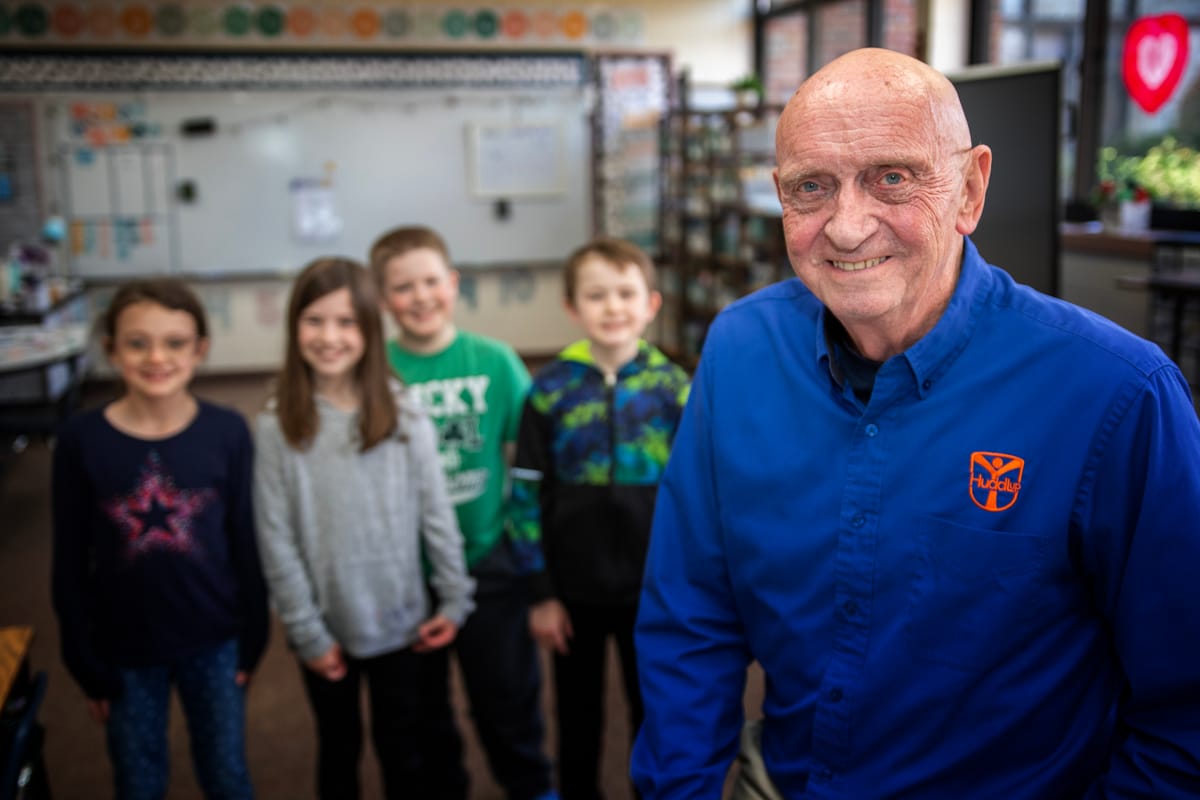
Marian says, “We need to stop manufacturing things that we know are going to be super dangerous without some measure of licensing. I can’t drive a car without getting licensed.”
She wants to see more programs that talk to kids and parents about how to resolve conflict. “There is not one solution here. There are many approaches that need to be taken in order to help us retain our constitutional rights and create a safer community at the same time,” she said.
“I’m a mental health professional — people with mental illness are no more likely to be dangerous than other people. … When we look at what’s going on with a lot of the people who turn to violence, we see this need for power, a sense of disengagement or powerlessness — and that’s what we should be looking at.”
 Mikki Morrissette