
Trucking opens path to prosperity for Somali Americans with a few roadblocks – fuel prices and language rules
“For me, the trucking industry changed my life."
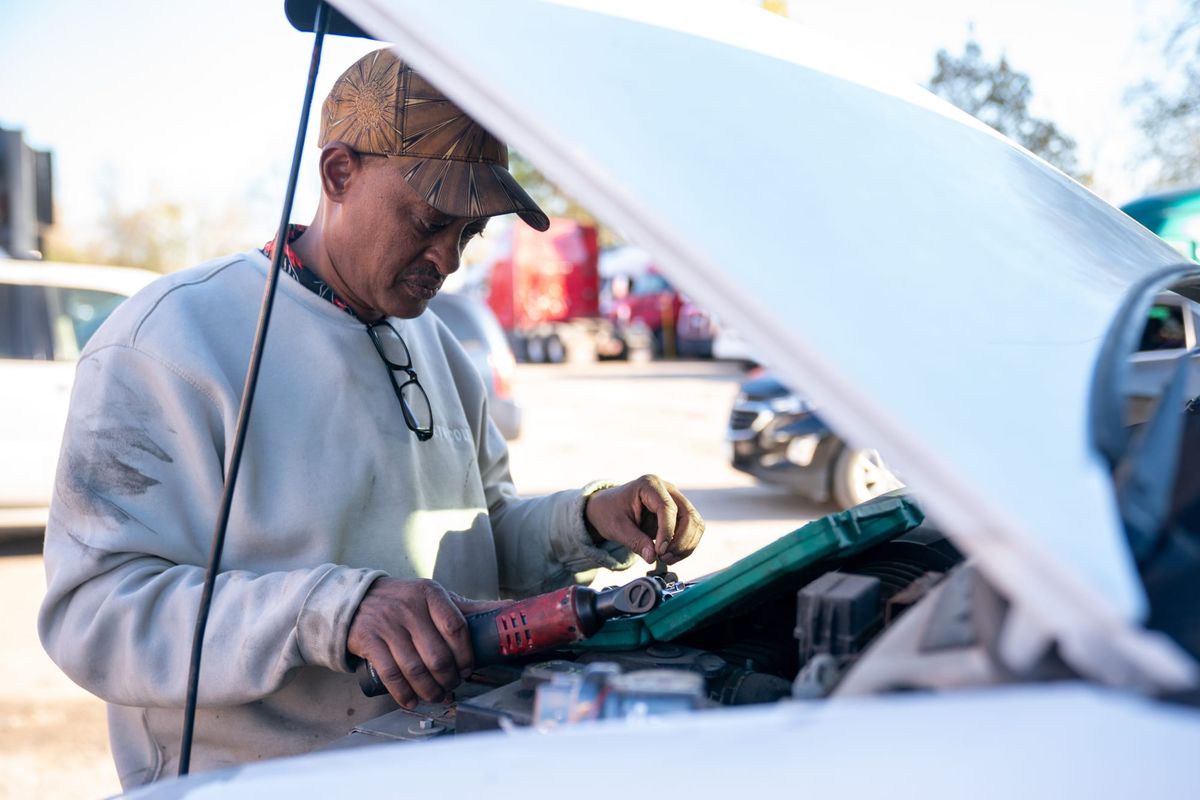
ST. CLOUD, MINN. – Abdirizak Alisalad Farah visited all 48 contiguous states in the U.S. while driving a truck. He liked the freedom that came with the work.
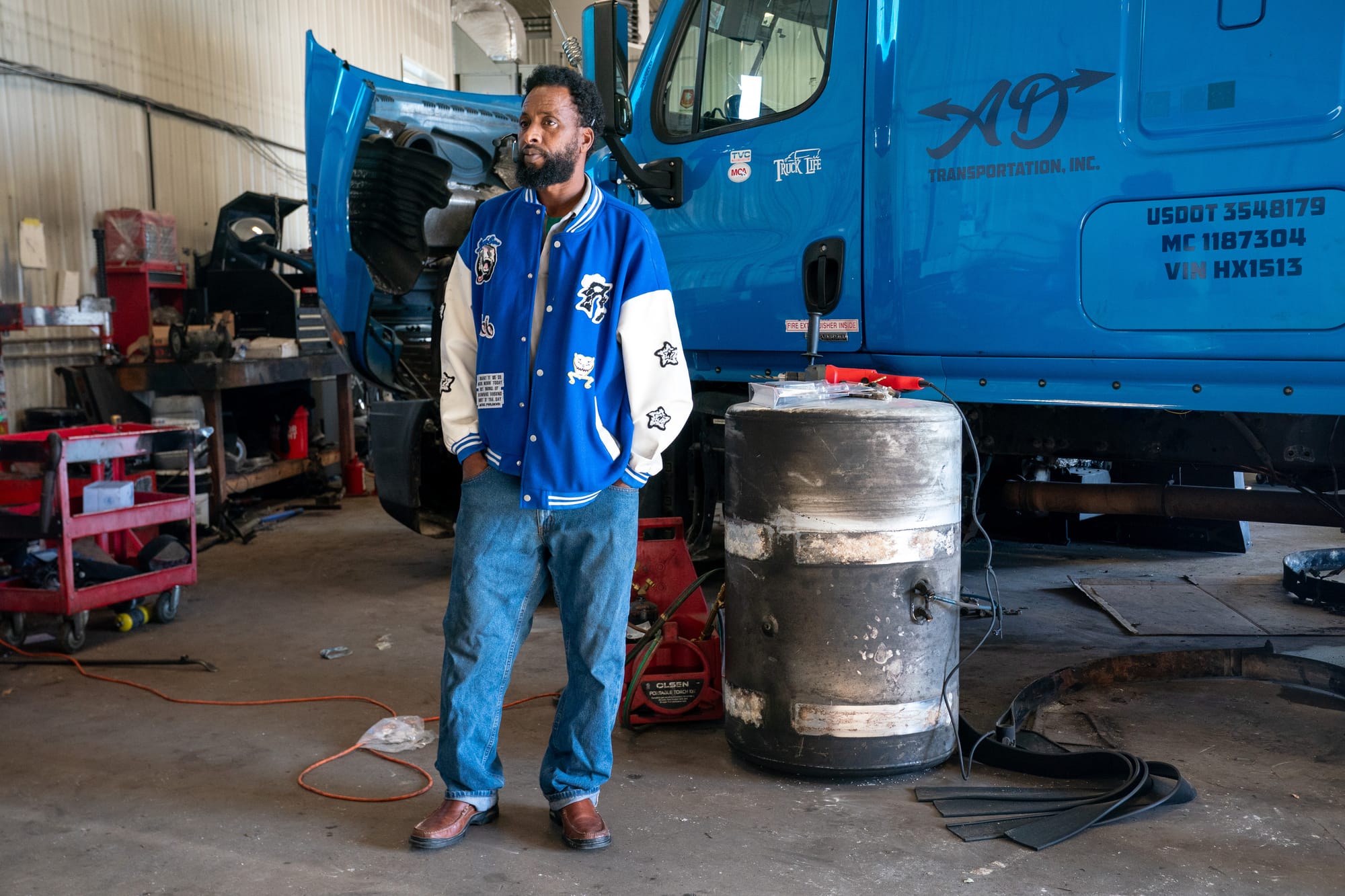
“For me, the trucking industry changed my life,” Farah said from the garage at Jubba Auto and Parking Services off Highway 10 in St. Cloud. He’s the manager now.
Somali Americans have been part of a movement in trucking, taking on work that pays better than many jobs open to immigrants. For those willing to work away from home for long stretches, truck driving provides an income that could help a family buy their first home – about $58,000 a year on average now.
But opportunities in the field have dimmed due to historically high diesel prices. Moves by the U.S. Department of Transportation to more strictly enforce English-proficiency requirements for drivers present another barrier for those who are foreign-born.
“It’s a difficult time,” Farah said. “We’ve never seen something like this before. Fuel getting higher and higher.”
Farah is working to build the business at Jubba Auto and Parking Services with its owner Farah Mohamed Muse, who started it after attending St. Cloud Technical and Community College and noticing a need for mechanics.

Contributing to community
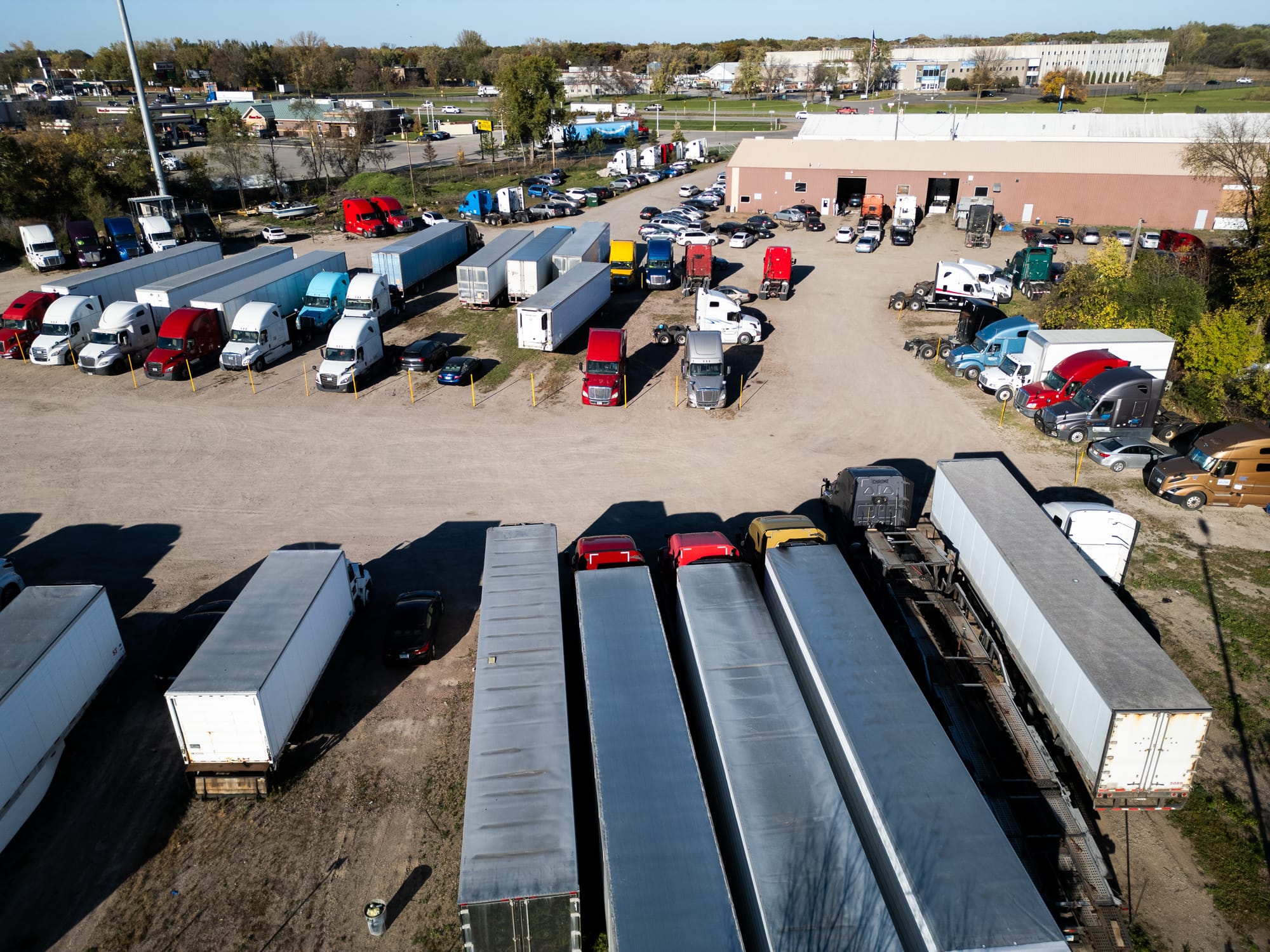
The business, named after the Jubba River in Somalia, provides maintenance, repair, and parking services for truck drivers, many who are Somali American and have surged into the field in the last two decades. It also offers auto maintenance and body work services to a diverse set of locals.
Family and village names, even the Somali seal, decorate semi-trailer trucks parked in the business’ lot. Farah is adding dispatch services – connecting drivers with loads to transport and setting an agreed-upon wage.
“People who drive in the trucking industry, they don’t receive welfare or help from the government,” Farah said. “[They] contribute very well to the community.”
Drivers must meet age, health, training, and license requirements. Training programs can cost up to $10,000. Once licensed, drivers can own and operate their own vehicle or work for a company with a fleet.

Mohamed Yusuf lives in St. Cloud and came to the U.S. 13 years ago. He’s the owner and operator of his independent trucking company, which until recently allowed him to provide for his nine children – to cover their school fees, take a family vacation, and eat well, he said.
Last month he had to borrow money to cover his family’s expenses and doesn’t have the funds to buy a friend a coffee anymore, he said.
“If something doesn’t change, I think a lot of trucking companies will go [out of business],” Yusuf said with Farah interpreting.
Payments to independent truckers have not increased with the cost of fuel, Farah said, under the assumption that the price surges are temporary.
Trucking draws and drawbacks
About 18% of U.S. truck drivers are foreign-born. The number of foreign-born truckers more than doubled between 2000 and 2021, according to an analysis of Bureau of Labor Statistics data.
In Minnesota, about 9% of Somali Americans who left high school between 2006 and 2022 work in transportation and warehousing, according to a state report.
“Somalis are heavily concentrated in roles such as taxi, bus, and truck driving, occupations that are essential to the regional economy but often characterized by variable income, limited benefits, and constrained advancement pathways,” the report said.
Truck driving pays an average of $58,000 in the U.S., more than healthcare and food processing averages by about $20,000.
This month a gallon of diesel cost more than $6, up more than $2.50 from a year ago, according to AAA. The increase is due in part to the U.S. war in Iran and the Russian war in Ukraine.
Another hindrance for some drivers is increased enforcement of English-language requirements due to a 2025 executive order. Federal officials relaxed enforcement in 2016.
Farah entered trucking after high school in Wisconsin. He went further than a commercial driver’s license in technical school, spent several years on the road, and wants to share what he’s learned.
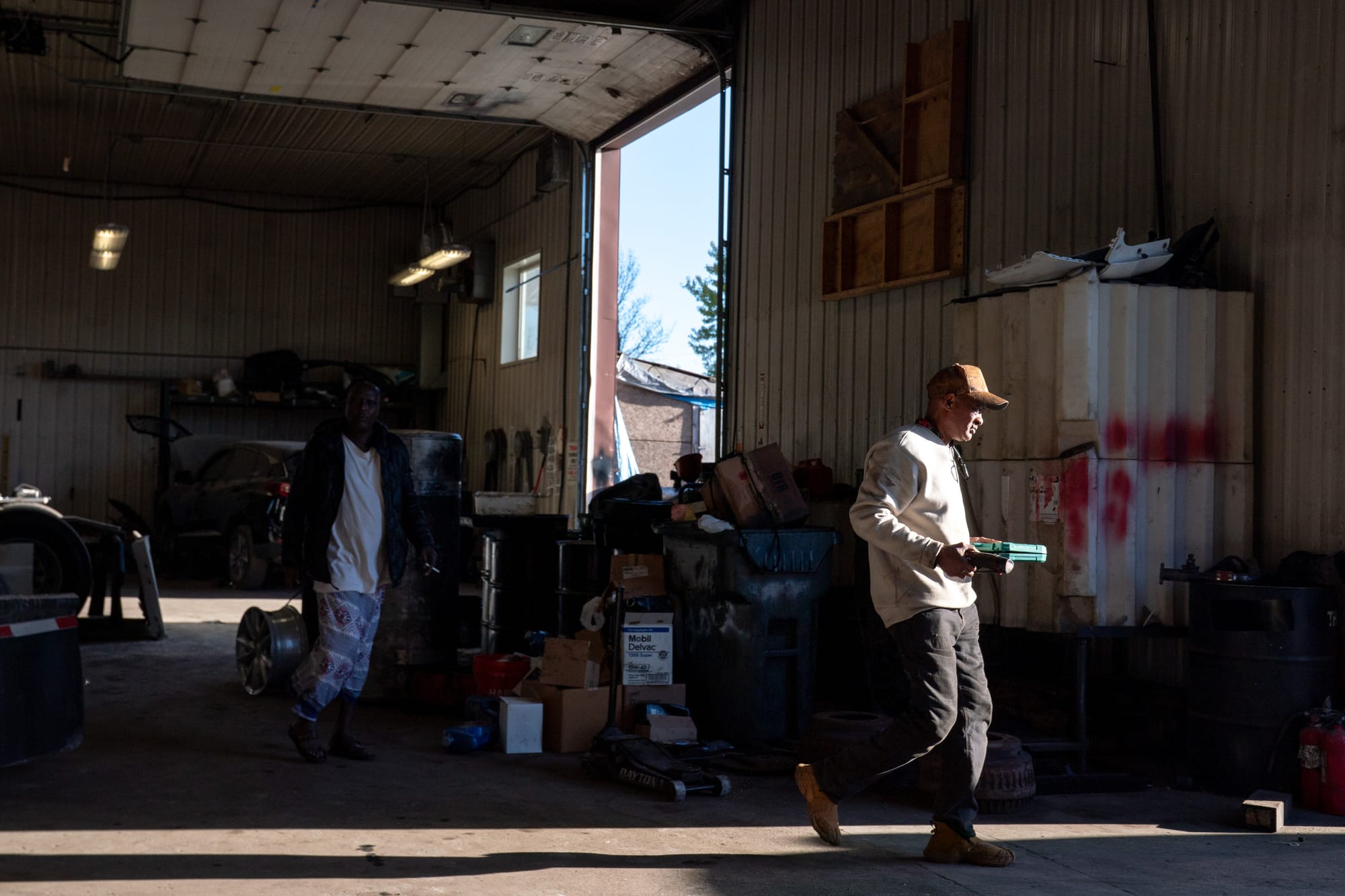
The business provides on-the-job training and employs more than 20 people, some of them contractors. Adam Schloner, an auto mechanic and the shop manager, likes the diversity of the customers and the diversity of employees serving them.
Muse has worked six or seven-day weeks to grow the business since he started it in 2019. His next goals include paving the parking lot to make winter snow easier to manage. And he’s proud of what he built so far.
“It feels excellent to have this opportunity,” he said. Then he ducked back under the hood of a nearby van.
Becca Most edited this story. Ahmed Abdi, Nora Hertel, and Abdirizak Alisalad Farah helped fact-check the story.