PAID STORY | ‘An infinite number of benefits’: West Central Initiative builds quality of life over 40 years
The community foundation evolved from recession to reciprocity, encompassing economic development, wellbeing, community, and sustainability.
This story was funded and reviewed by staff at West Central Initiative. Their support helps fund Project Optimist’s newsletter and independent reporting.
Rural communities provide fertile ground for generosity and leadership. For 40 years, West Central Initiative has helped facilitate both across nine Minnesota counties and White Earth Nation.
West Central Initiative is one of six initiative foundations, nonprofit community philanthropies, created four decades ago by the McKnight Foundation in response to the recession that hit hard in rural areas and farm country. The six foundations serve regions across greater Minnesota, supporting economic development through loans, grants, and programming.
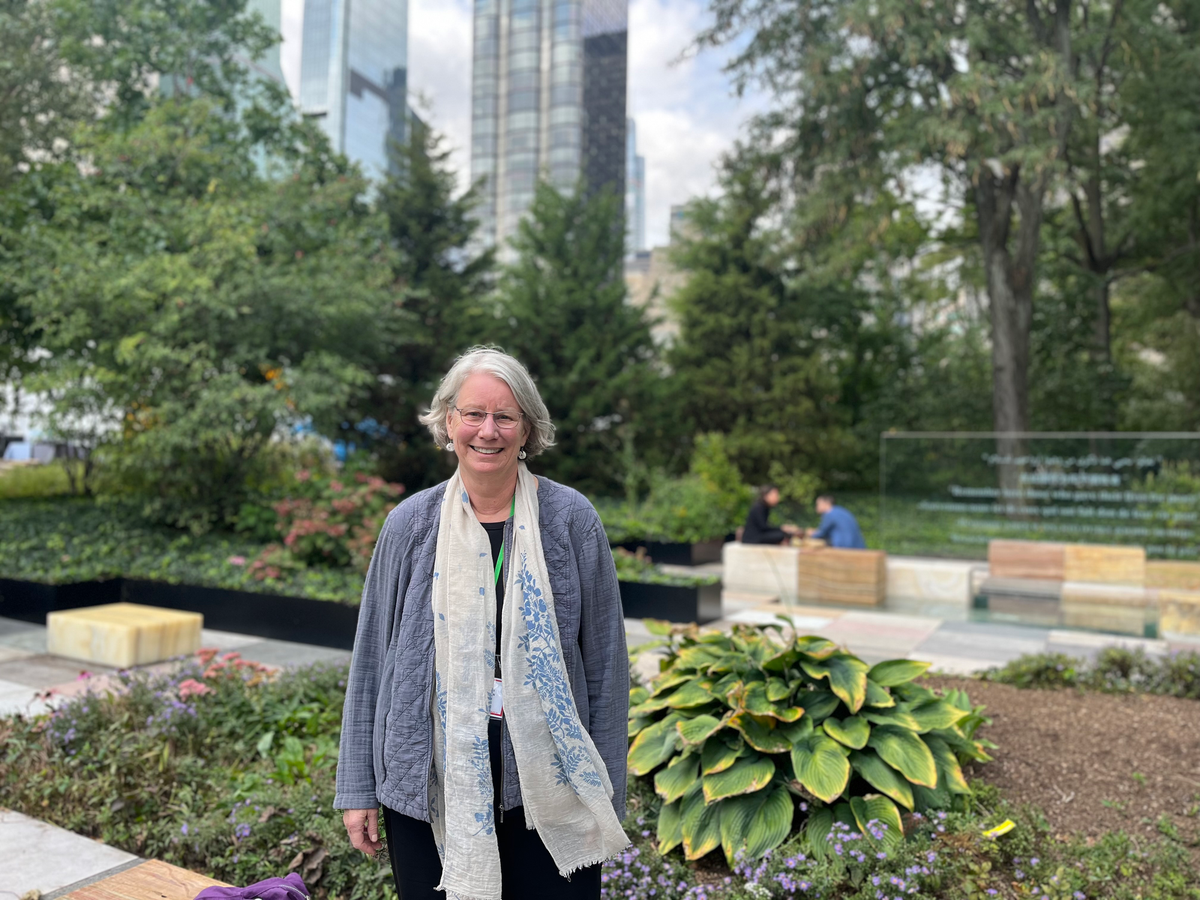
Over four decades, West Central Initiative has provided more than $150 million in grants and loans in service to the 237,000 residents in its footprint. Anna Wasescha took the helm in 2017 and sat down with Project Optimist to reflect on the anniversary of the Minnesota Initiative Foundations.
Can you talk about the creation of the Minnesota Initiative Foundations?
Anna Wasescha: I think that the innovation that these six initiative foundations represent was the idea that you could awaken rural philanthropy.
There's a really innate spirit of philanthropy in rural communities which is often expressed in the stories we tell about rural areas – raising a barn together or collecting food when somebody has a death in the family.
That generosity operates on many different levels. When someone gives money to an organization like West Central Initiative, that can produce an infinite number of benefits.
And how has it evolved?
Wasescha: Another kind of experiment that McKnight was embarking on was the idea of the regions, that the regions actually had something unique about them. I would love to have been in the room to see how they determined each of the six regions in greater Minnesota.
The Minnesota Initiative Foundations were created in response to the farm crisis in the southern two-thirds of the state and the mining and timber in the north. So they always had a line out to economic development.
Unlike the other Minnesota Initiative Foundations, we in the west central region became a Regional Development Organization. There are these regional development commissions all across greater Minnesota. In our region, there were a lot of strong opinions about whether or not you should do anything regionally, and they dissolved the Regional Development Commission. They did that in our counties.
West Central Initiative – By the numbers
- Nine counties & one tribal nation served.
- 237,000 residents in the service area.
- 9,200 jobs supported in its 40-year history.
- $62 million provided in loans.
- $93 million provided in grants.
So we took on the responsibilities of being a regional development organization when the community in my region discovered that they had made a serious tactical error by eliminating the work that the Regional Development Commissions do. The significant thing that they do is produce a comprehensive economic development strategy, and that is the key that unlocks federal money.
And no region, no small town, no county, no state can provide the kind of resources you need for the really big things like highways, and bridges, and wastewater treatment plants. Local leaders asked us to take on the responsibility for regional planning. We really got involved and to this day are very involved in economic development.
Your question is about how it has changed, and I think people really understand the economy in a more comprehensive sense of the word. It isn't just average income or average assessed value of residential property. It has a lot to do with quality of life, and healthcare, and mental health, and recreation, and schooling, and the arts, and the whole thing. You can't just look at the paycheck you take home and the tax that’s paid by local corporations, and call that economic development.
Nora Hertel: I see that in childcare.
Are there other examples that you would point to?
Wasescha: Affordable housing is one. Access to healthy food, food deserts, that's a piece of it. And culture. We live in a really interesting time because you can access a lot of culture through the internet, but is that the same? No.
Is there another program that you just think is amazing and should be lifted up?
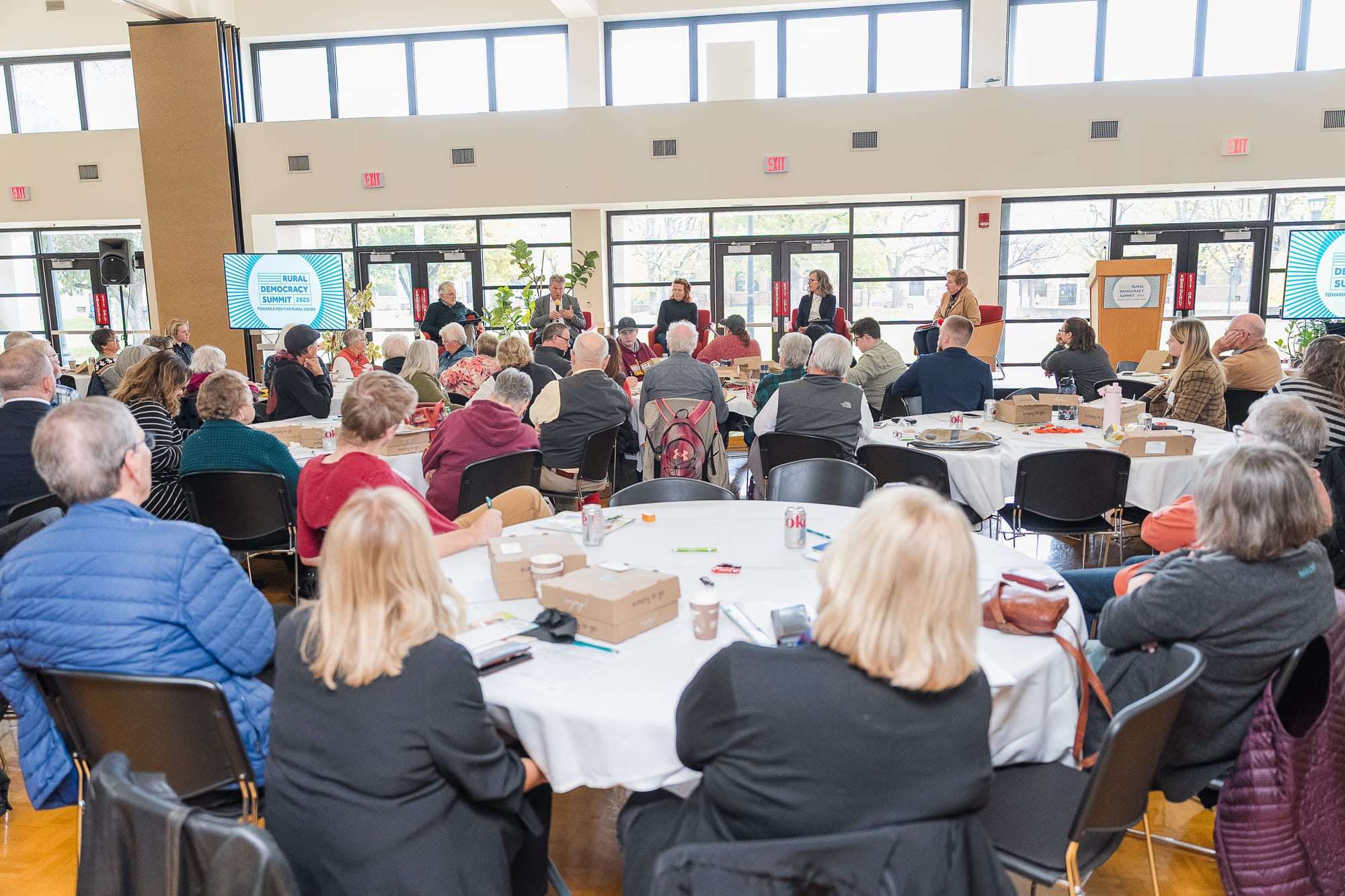
Wasescha: We have three priorities, and I think they're interlinked. One is rural belonging. One is climate. And then rural democracy. I've really come to see rural democracy as underpinning everything else.
I think when you have an engaged citizenry that feels a responsibility to shepherd democracy, to be involved with their community and the common good, that's what regionality asks of us, that we care about something that we don't directly experience.
We do many other things. We advocate for early childhood. We make loans to small businesses. We do transportation planning and safe routes to school.
Are you facing the same challenges, or are there new ones on top of the old ones?
Wasescha: We live locally, and we occupy space where we are. But we live in a very global world because of the internet and because of global trade.
The agricultural economy here depends on foreign markets. And the internet means we can be connected with foreign markets, but also people and cultures. That's what I think is different, the immediate global connection that we have. That's hard to really understand, because it's driven by things that are outside of our control, as we now can see with the war in Iran. But it has a lot to do with quality of life.
Is there anything else you want to add?
Wasescha: I'm very proud of the work I've done with the Initiators Fellowship. I've been involved for eight years. The Initiative Foundation in Little Falls launched the program for central Minnesota in 2017. West Central Initiative joined right after that. So I've seen it evolve.
That's an example where an investment is made in the current moment. It's a significant investment for two years in a social entrepreneur. But then their lives unfold for decades more, and they will be an expression of all the dividends that get paid by investing in leaders.
Hertel: A lot of ripple effects that continue for a long time.
Wasescha: Philanthropy has this wonderful ability to be able to make investments without being able to calculate all the returns, especially over long periods of time. It operates by a different set of rules that I think are bigger and better.
Do you have any other thoughts about the next 40 years, or the next era of the organization?
Wasescha: I'm optimistic that we will come through this experience, these shifting priorities, social unrest, AI technological change, and challenges to our democracy and it will strengthen our resolve to create a better society that works for everybody, and lifts everybody up, and preserves the planet, and helps people live a good life.
Note: Nora Hertel, Project Optimist's founder and the reporter behind this Q&A, was an Initiator Fellow from 2022 to 2023.