Building Bridges Ep. 1 - A Hero's Journey
'I heard some really moving stories that were, like, similar to mine but different in some ways. Different cultures have different experiences. I was moved.'
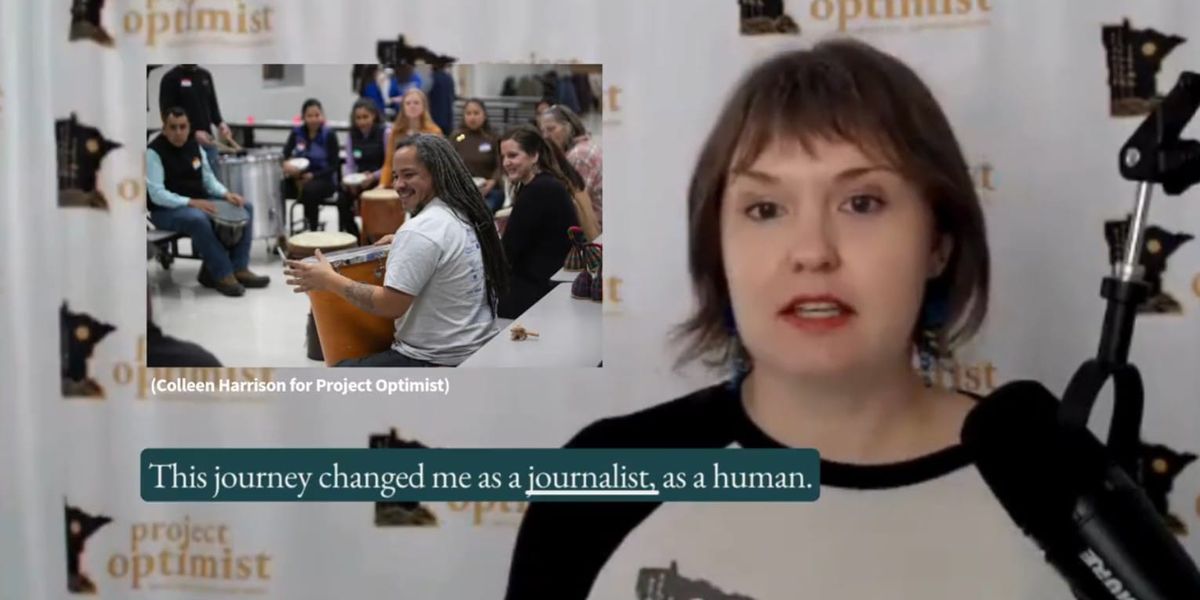
Editor's note: This is a transcript from a series originally published as a video and later as a podcast. The host is Project Optimist Executive Director Nora Hertel.
I'm going to start with the hard stuff first. Sixty-four percent of Americans said we’re too politically divided to solve the nation’s problems. That’s from a fall 2025 New York Times/Siena poll.
And 2025 was a rough year for political violence. In Minnesota a gunman killed former Speaker of the House Melissa Hortman, her husband Mark, and their dog. Another DFL lawmaker and his wife were attacked the same night.
I’ll never forget it. That happened on my birthday. I’m a journalist and Melissa Hortman had been a source of mine. Then later in the year a gunman killed conservative activist Charlie Kirk.
Music: “Elevated" by Jada Brown.
It’s heavy stuff.
It puts a damper on the U.S.’s 250th anniversary.
Or maybe it’s the perfect time to think about what it will take to bring us together. Not to sing “Kumbaya.”
But to solve the pressing problems of this historic moment.
That’s what we’re going to do – or try to do. I’m going to explore a movement called “bridging,” coming together despite our differences.
I’m going to take you on a journey into the bridging program started at Project Optimist. Sounds promising, eh? You can watch it. Listen to it. Or read it.
Watch Building Bridges - Ep. 1 A Hero's Journey on Project Optimist's YouTube page.
Many of us noticed political division and polarization years ago and started to feel alarmed.
I’m one of those people. I’m also one of those people who contributed to polarization as a political reporter.
Hi! I’m Nora Hertel. I'm the founder of nonprofit news organization Project Optimist in Minnesota. I'm a journalist of 15 years. I've covered Legislatures in South Dakota, Wisconsin, and Minnesota.
I often framed my stories in black and white – or blue and red. I used boxing metaphors, highlighted conflict, and gave a platform to the voices on extremes of the spectrum.
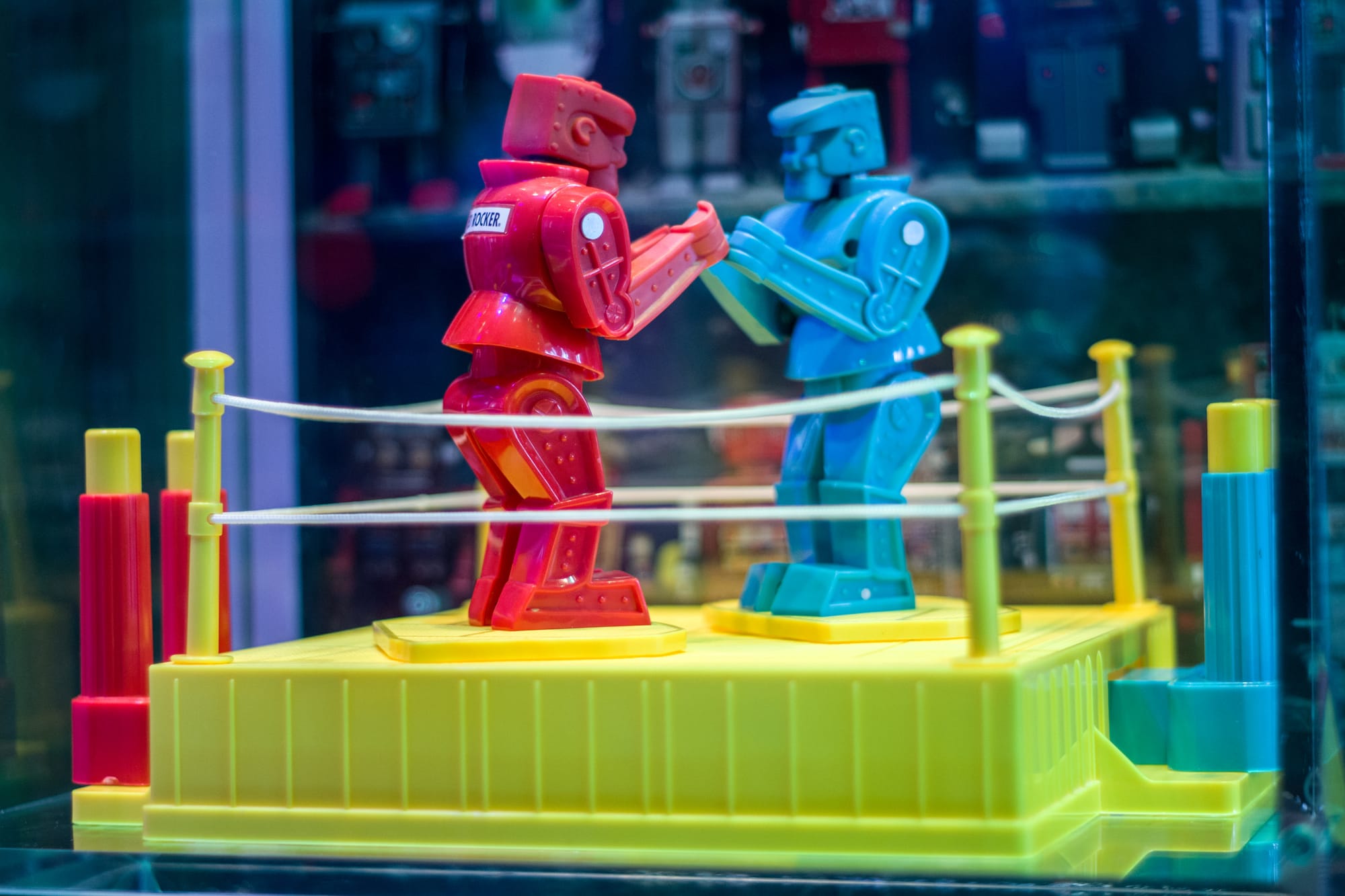
And then I saw the divides grow, civility wane, cooperation dwindle.
In 2023 I launched a program called Shades of Purple intended to lift up voices in the middle of the political spectrum and bring people together. It’s called bridging. I wanted to help people bridge their differences.
We ended up talking about belonging and fitting in at many of our events.
Audio clip, Sarah: It was such a great event and I really enjoyed hearing everyone’s stories. And there were a few people in my group that just were there to listen and I thought that was really wonderful too. They shared a little bit. But it was a real practice in vulnerability and respected everyone’s different comfort levels with that and holding space. Yeah. I heard some really moving stories that were, like, similar to mine but different in some ways. Different cultures have different experiences. I was moved. I was happy to be here.
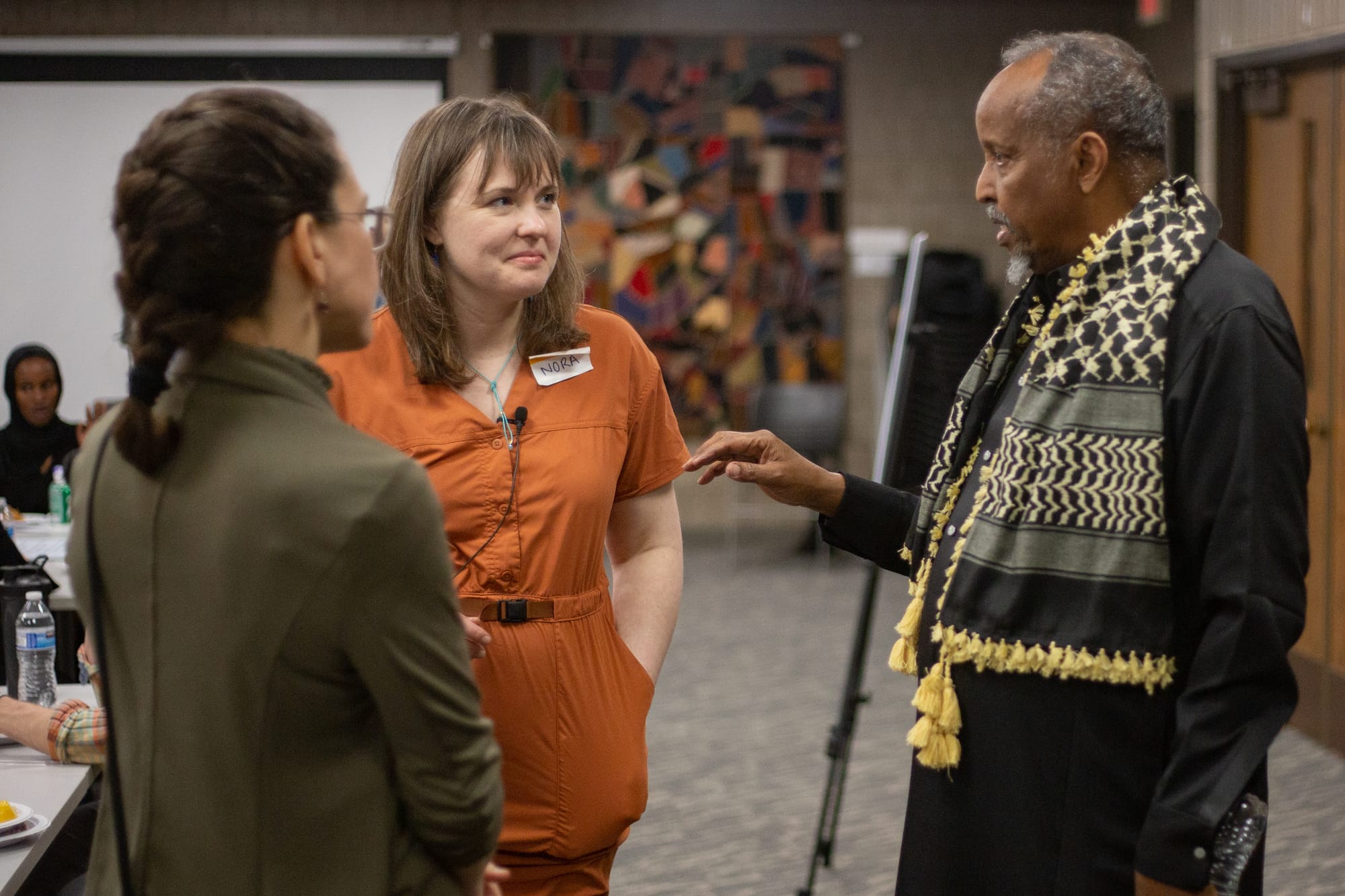
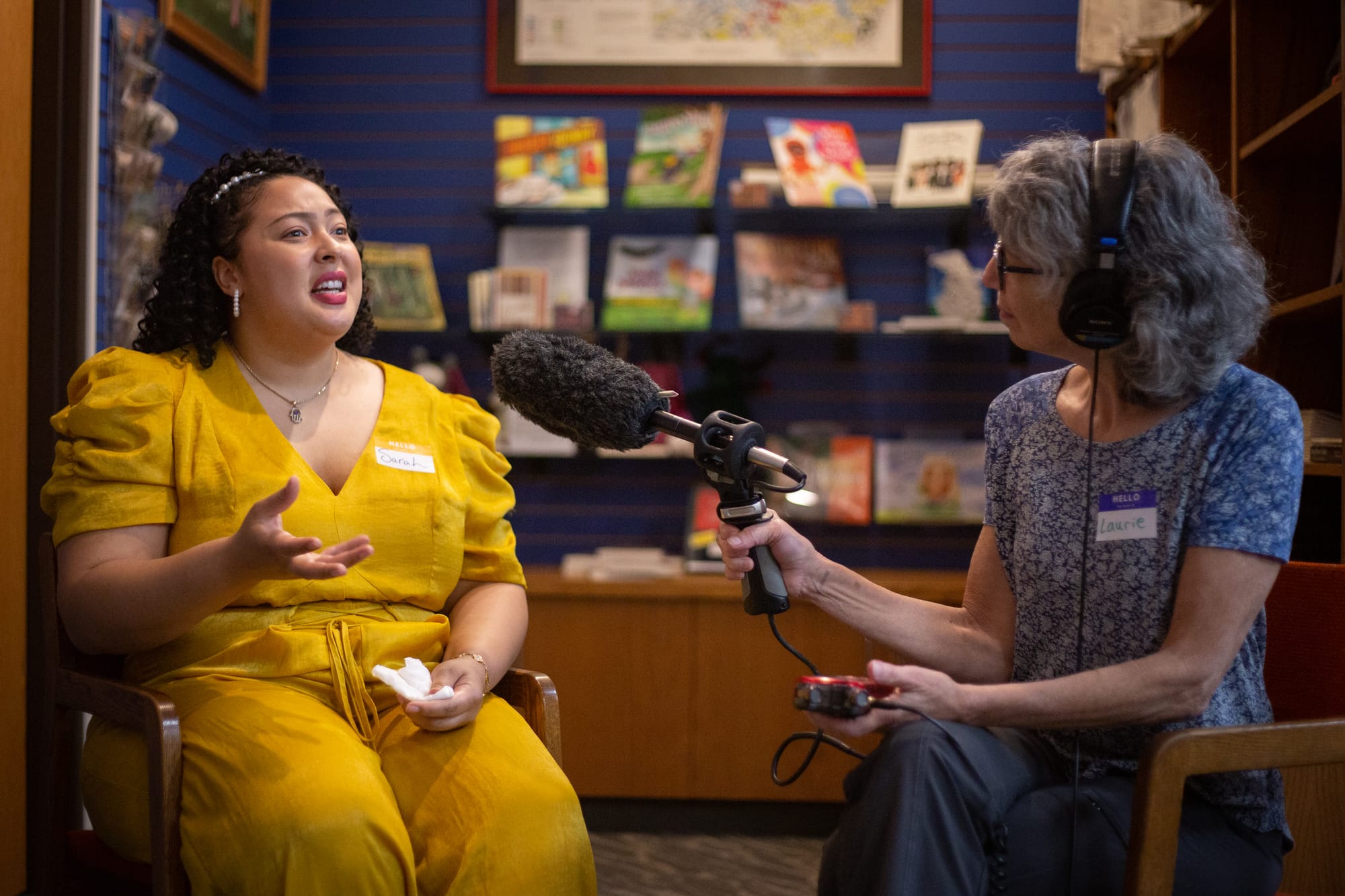
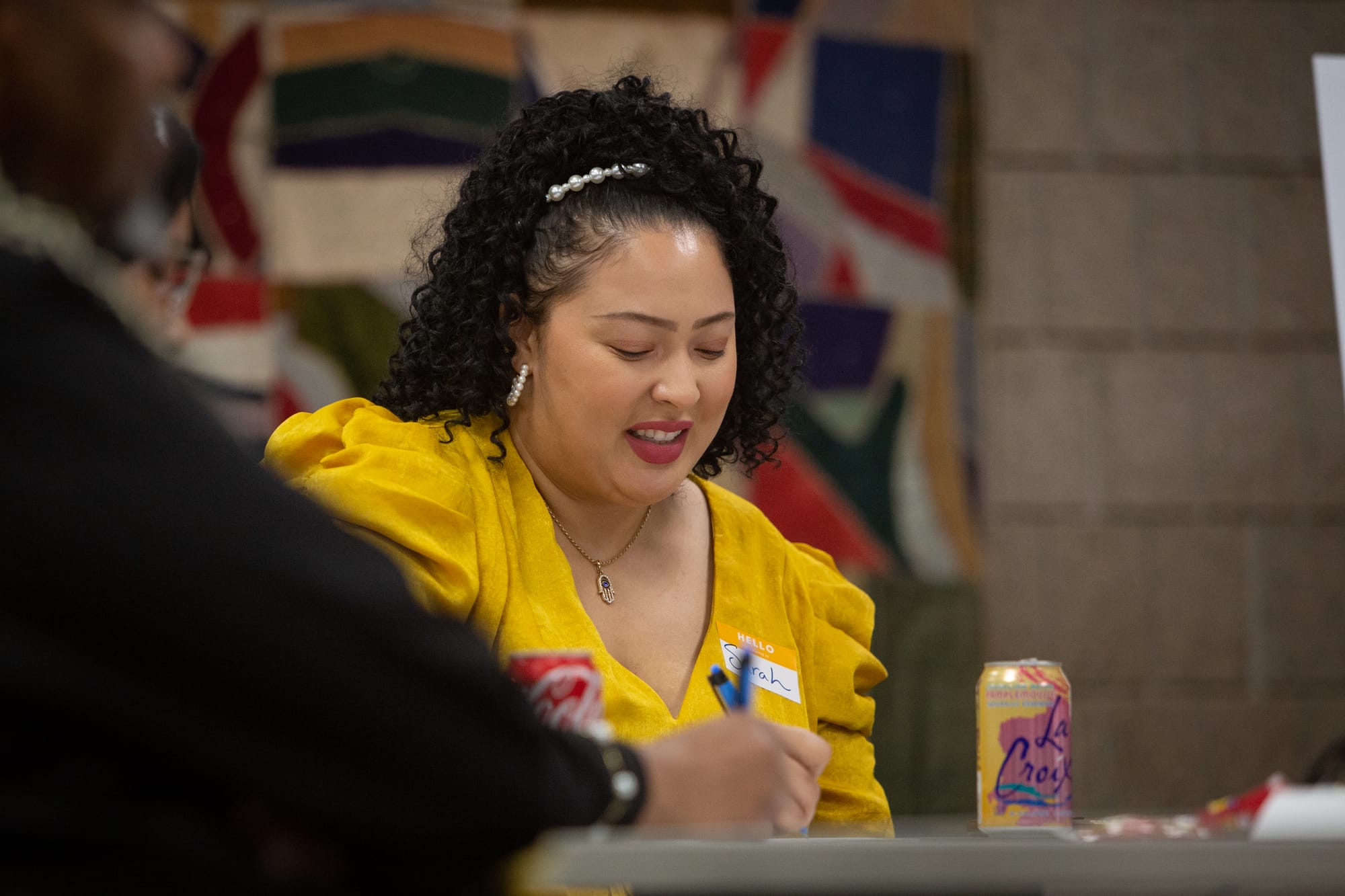
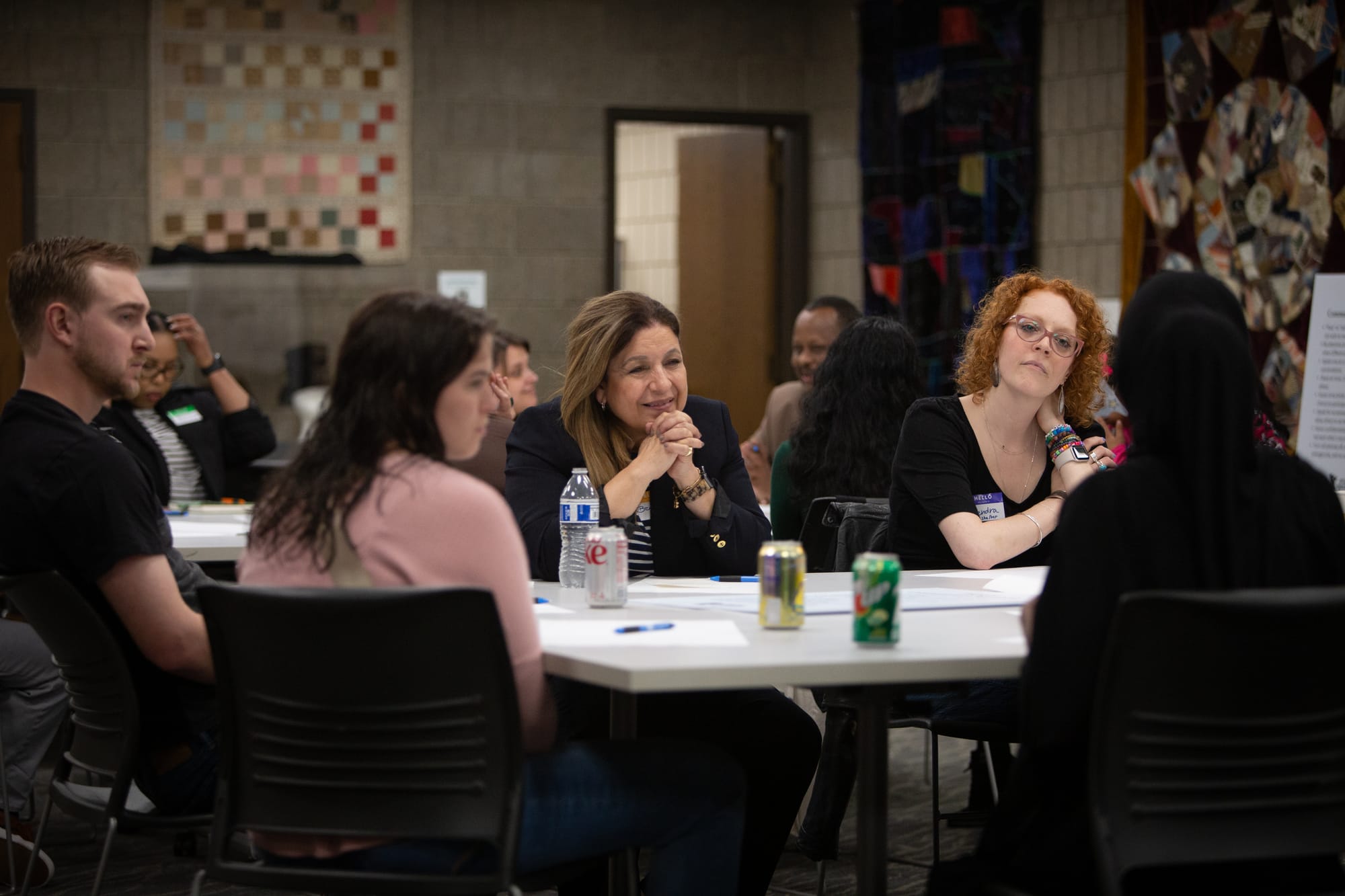
Photos from the first Shades of Purple event on May 13, 2023, at the Stearns History Museum in St. Cloudthmanner for Project Optimist)
That’s Sarah from our first community conversation. It was in St. Cloud and the topic was belonging and bridging cultural differences. We had a diverse group of people and shared Somali food after the moderated conversation. The moderators used a script, enforced time limits, and ground rules.
This first event was in a room with quilts on the walls, the smell of cinnamon-scented rice, and the buzz of many conversations.
Our community partners were the Stearns History Museum and CMCEO – Central Minnesota Community Empowerment Organization which supports the east African community. St. Cloud is politically purple and home to several thousand Somali Americans. It’s a place where national debates on immigration and refugee policy become extremely personal – from post 9/11 policies to President Donald Trump’s executive orders and Operation Metro Surge which spilled out of the cities and into greater Minnesota.
The moderators steered participants to share personal experiences (not politics) about belonging or not fitting in. And many shared stories of discrimination or racism.
Audio Clip, Sarah: Yeah, I think we were part of the solution tonight. It's just like having these kinds of structured conversations in a safe space and just taking the time to listen to one another. And I think when we are able to build connections on a small scale, it's inevitable that on a global scale things will get better.
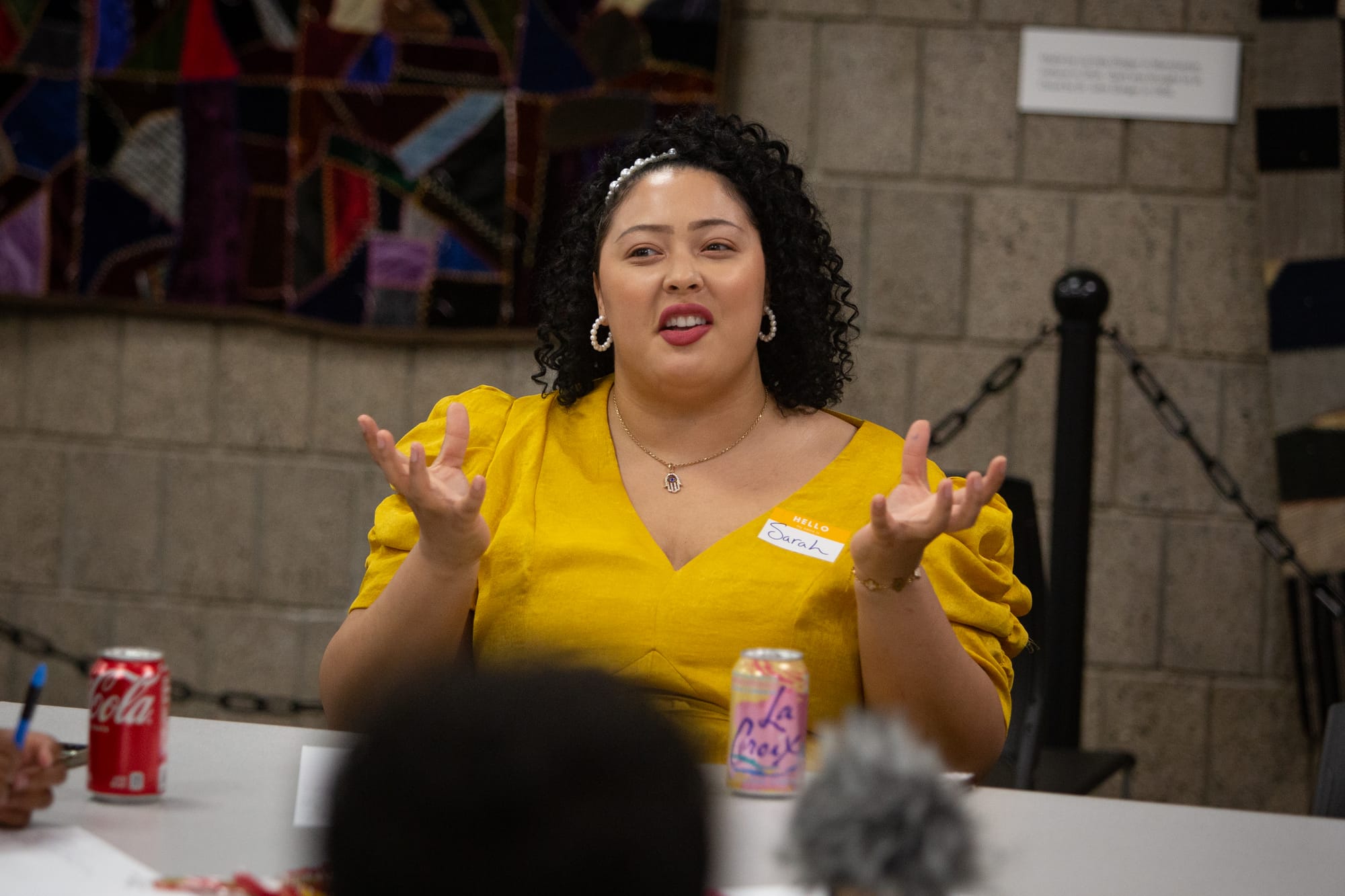
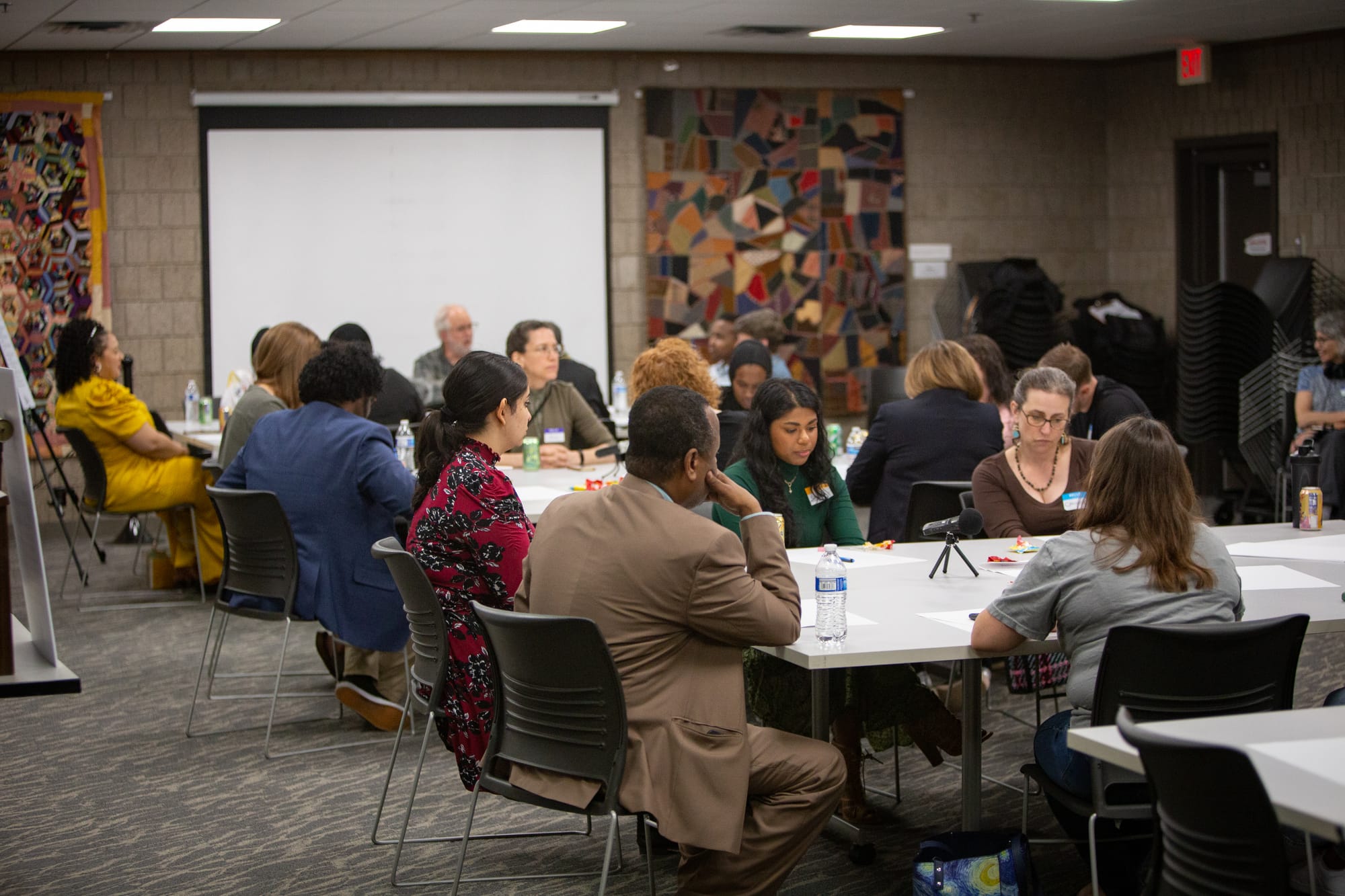
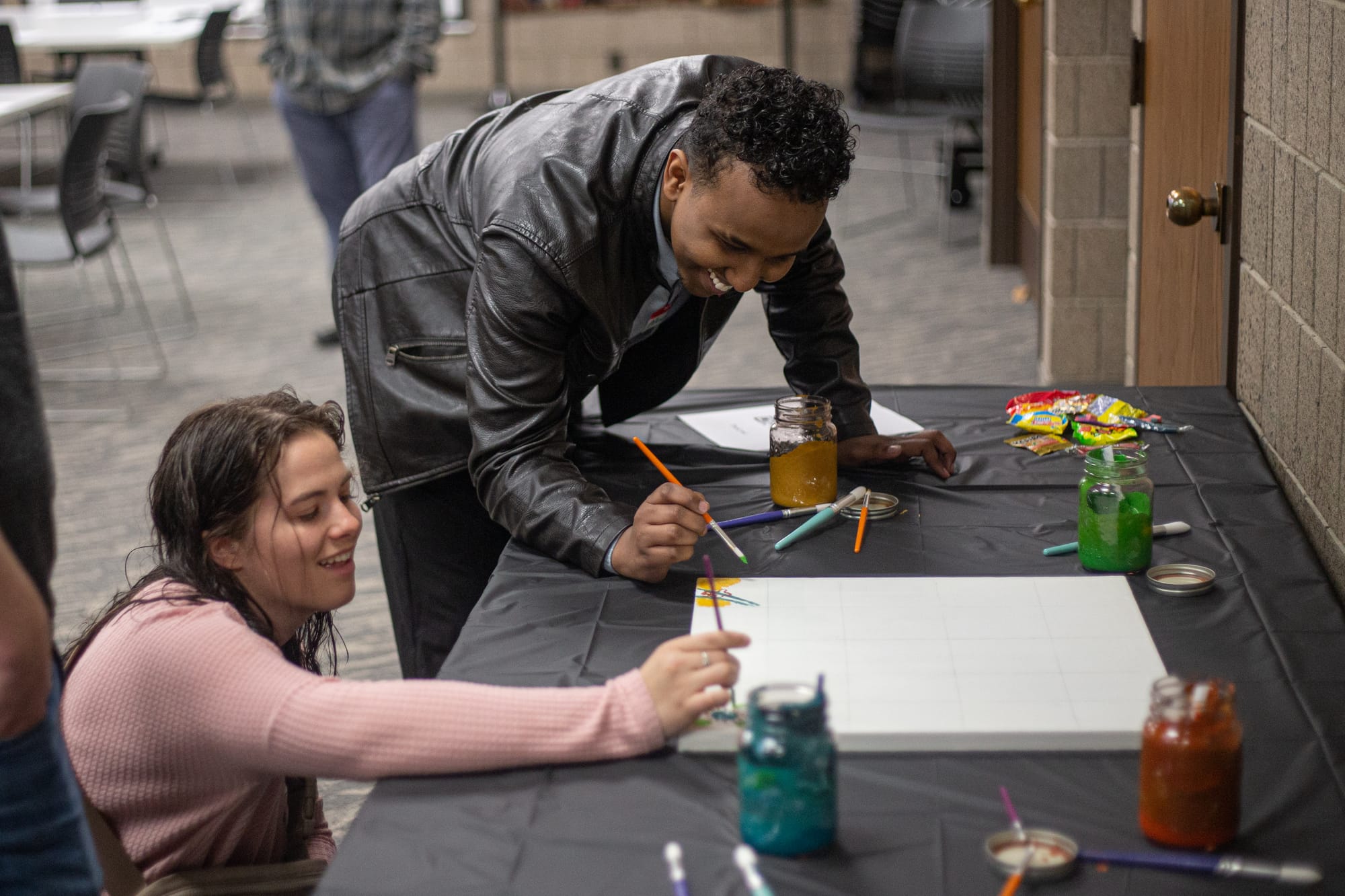
Photos from the first Shades of Purple event on May 13, 2023, at the Stearns History Museum in St. Cloud, Minn. (Shannon Rathmanner for Project Optimist)
This program was initially a kind of atonement for me. An effort to undo the harm of news media and model a different kind of newsmaking. I wanted to bring people together and help people in my community make new connections and new relationships. Most of the time it worked.
Here’s why some others attended our first event in St. Cloud.
Audio clip, montage: Conversation with folks I don’t necessarily know. The community is big and I like to meet new people.
My wife and I just decided to kind of step out of our comfort zone and see what it was all about. Just get to hear some different opinions and we seem to find ourselves with like a lot of the same people every single day. So stepping outside of that comfort zone and just hearing different opinions rather than the same probably 20 or 30 people we talk to on a weekly basis is it's just a good way to grow yourself as well as grow the community too I think
The reason I came here was because I volunteer at at CMCEO. It's a it's a nonprofit organization, which helps East African immigrants when they come. And I'm in here because I want to learn and talk more about diversity in the workforce.
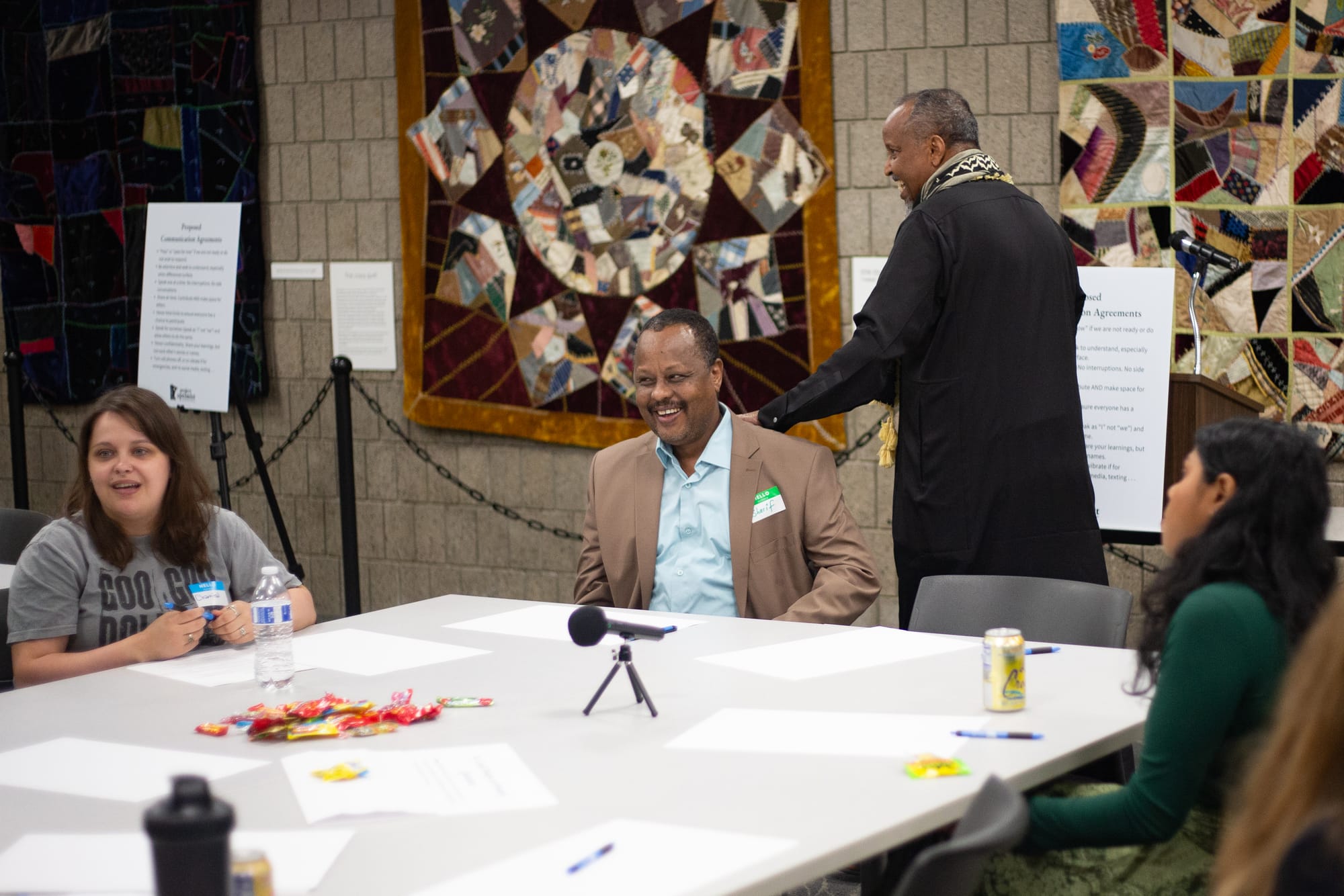
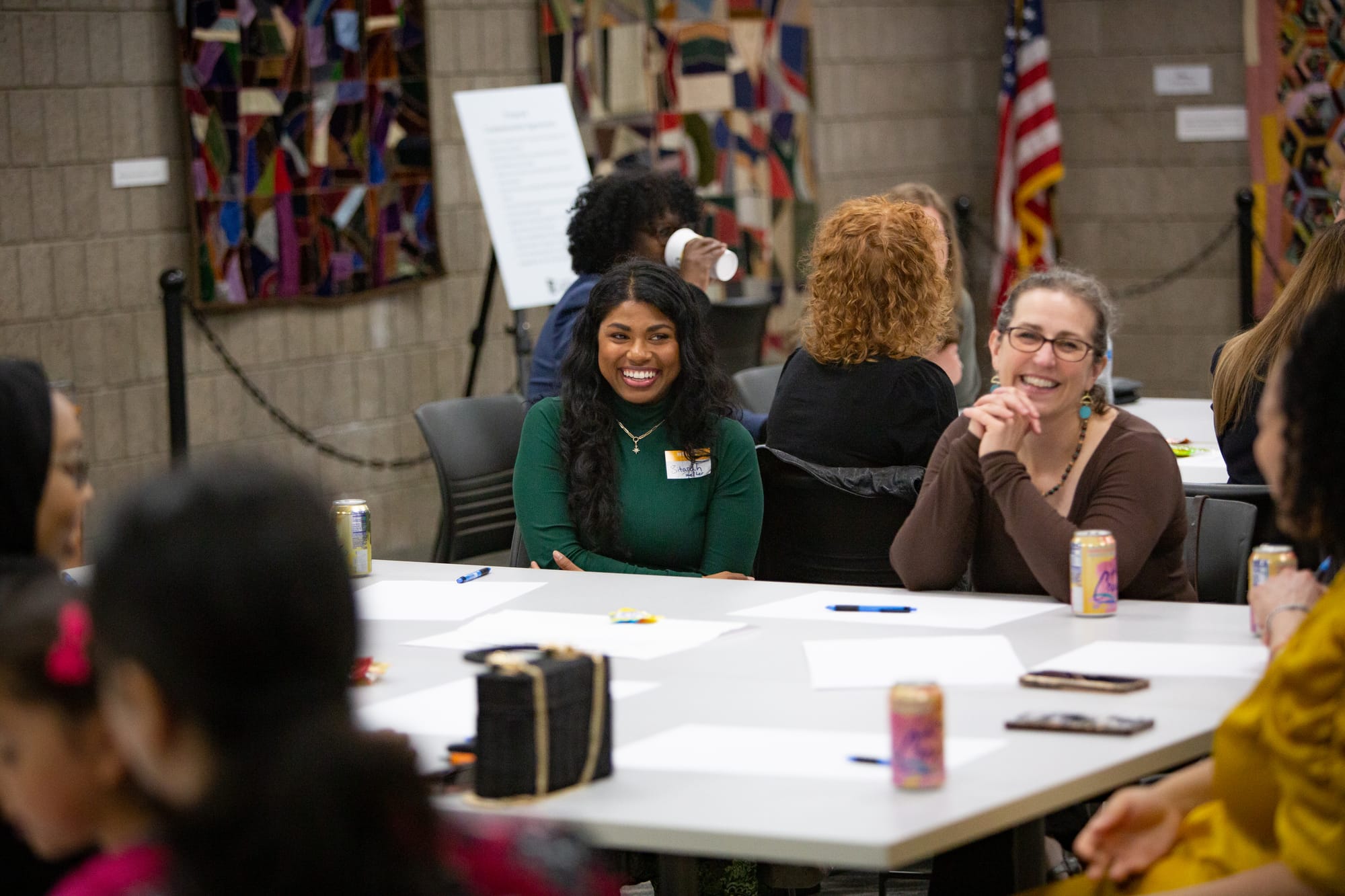
Photos from the first Shades of Purple event on May 13, 2023, at the Stearns History Museum in St. Cloud, Minn. (Shannon Rathmanner for Project Optimist)
But sometimes things went wrong. People didn’t feel comfortable, or they didn’t connect, or they didn’t want to follow the ground rules. There was also a period when I lost faith in this work. I had a falling out with a family member and started to see bridging work as naive.
Three years and 12 events later, I want to share what I’ve learned.
I’m not producing a case study here.
I am taking you on a journey. My journey.
This program played out in my professional life, but I put my heart into it. I impacted how I felt about my community. And it impacted my worldview.
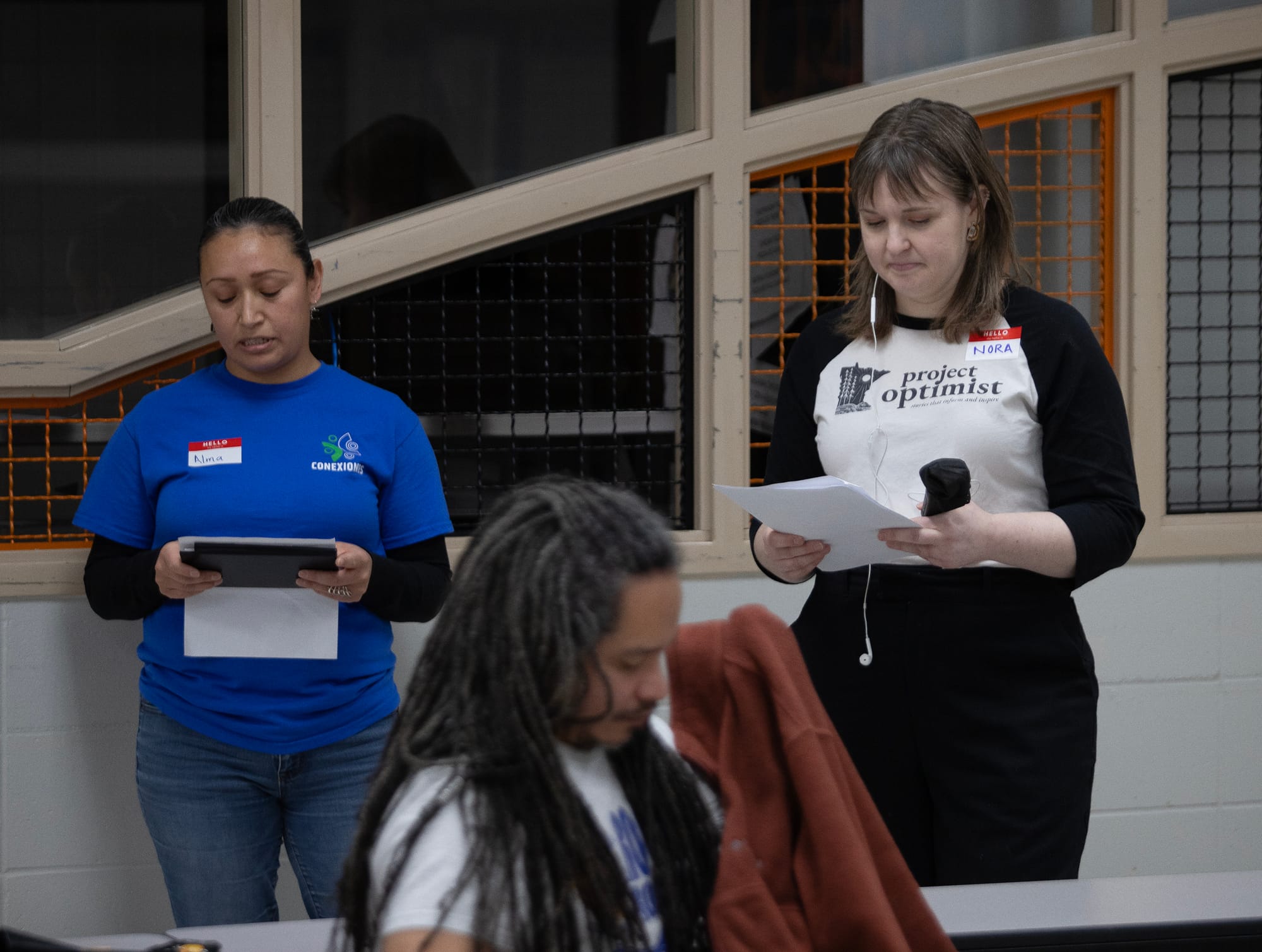
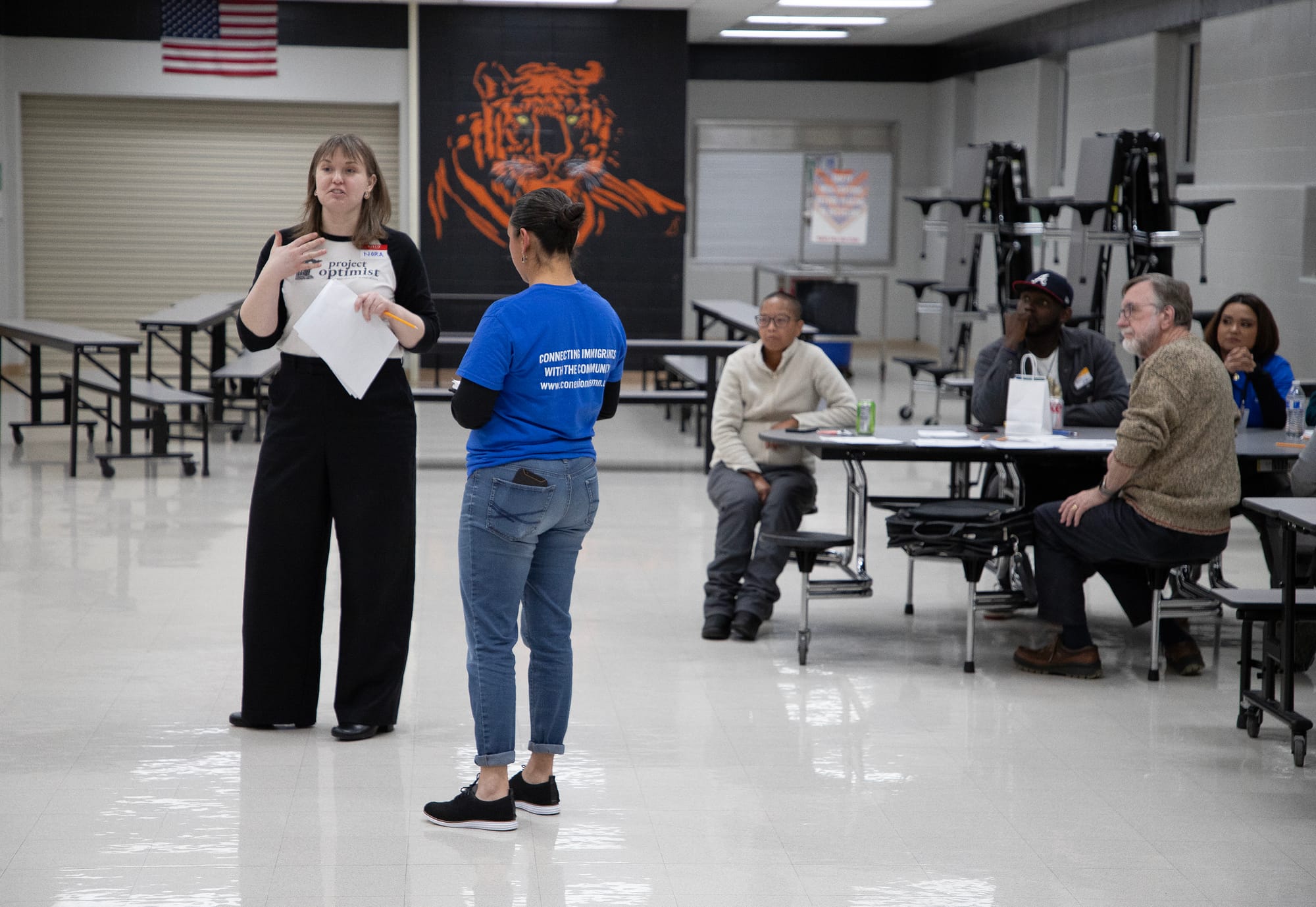
Nora Hertel speaks in English with Alma Contreras interpreting into Spanish for a bilingual community conversation in Morris, Minn., on January 11, 2024. This event was hosted in partnership with Connexiones. (Colleen Harrison for Project Optimist)
Each community conversation spurred insights and changes in our evolving program.
Bringing people together requires hard work and teamwork. Persistence. And presence.
I navigated cringey moments, unearthed profound wisdom, suffered an existential crisis, pivoted so many times, and witnessed real-life magic. Magic, as in, experiences that defy words, that take us beyond the humdrum and habitual.
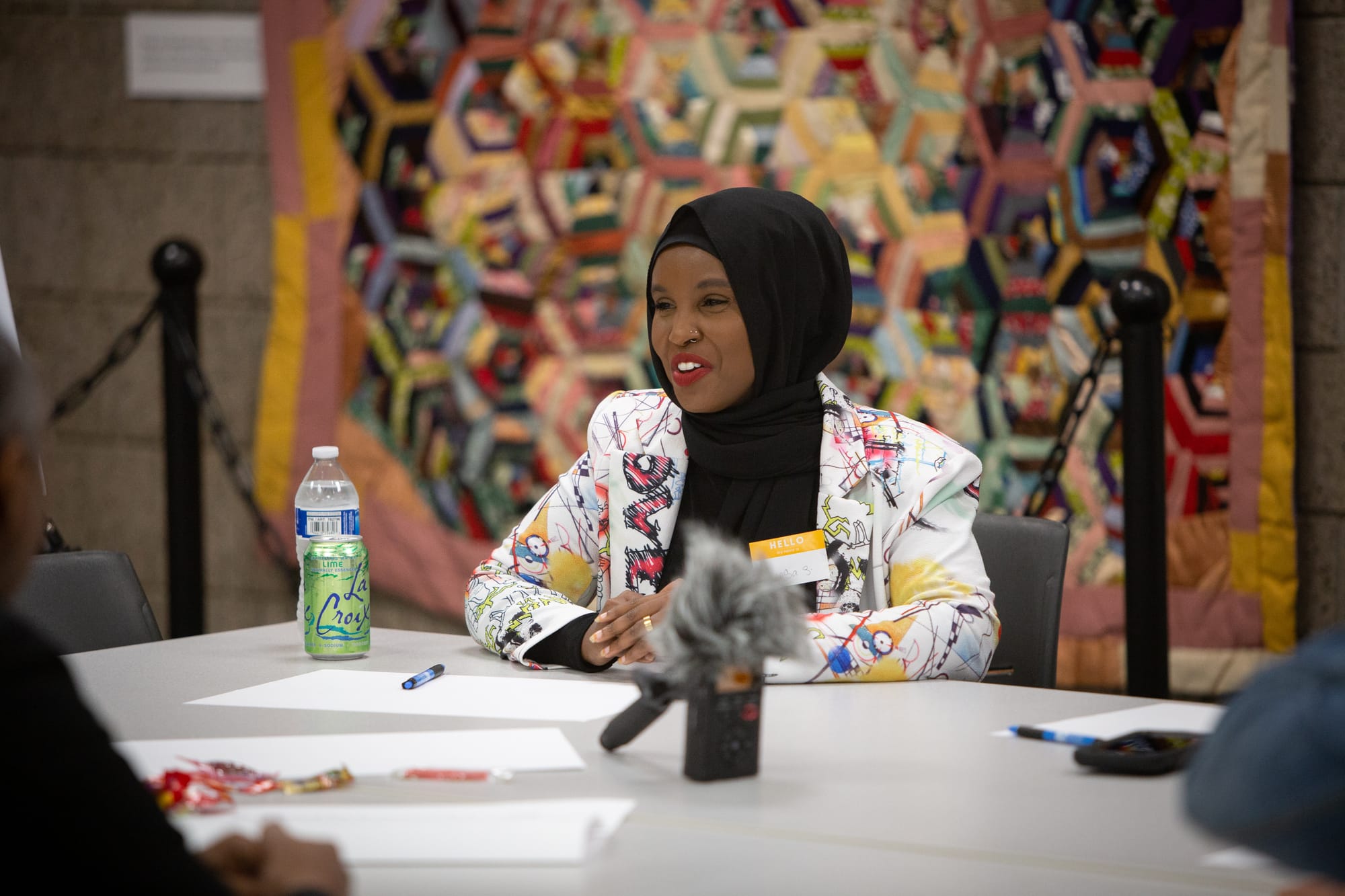
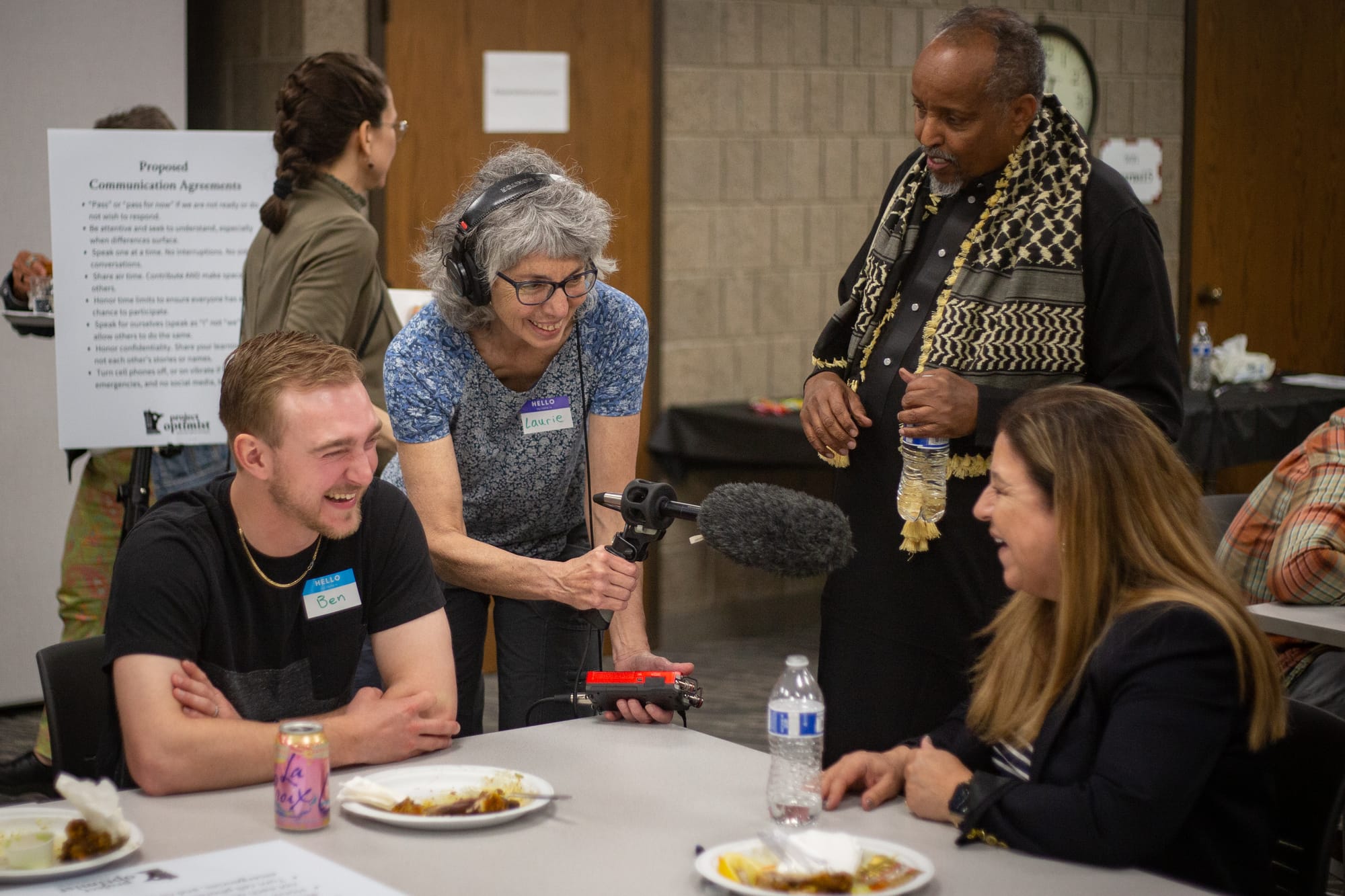
Photos from the first Shades of Purple event on May 13, 2023, at the Stearns History Museum in St. Cloud, Minn. (Shannon Rathmanner for Project Optimist)
This journey changed me, as a journalist and human. And I hope that my experience can help others who organize, bridge, and convene in their communities. And encourage people worried about polarization and division.
So before I get into the hard parts of this work. I want to share some of the magic. And I say magic because it’s a special experience to be heard and to validate others’ experiences by listening. It’s so easy to brush off those kinds of connections, but they build trust and community.
Audio clip, interview: Nora: And can you tell me a little what you shared about where you lived before and where you came from?
Maria: Yeah, I came from Mexico, but I move to United States six years ago.
Nora: And what did you think about the conversation? How was that?
Maria: I really like that conversation (it) was a great opportunity to share my history and history of the others. Yeah. And share many ideas. And yeah, it's very great opportunity.
Nora: Did anything surprise you?
Maria: I think so. Yeah. This … how this, como la calidez a las personas?
Interpreter: The warmth of the people at the table really did surprise me.
Maria: Yeah. And I like, I appreciated really that conversation.
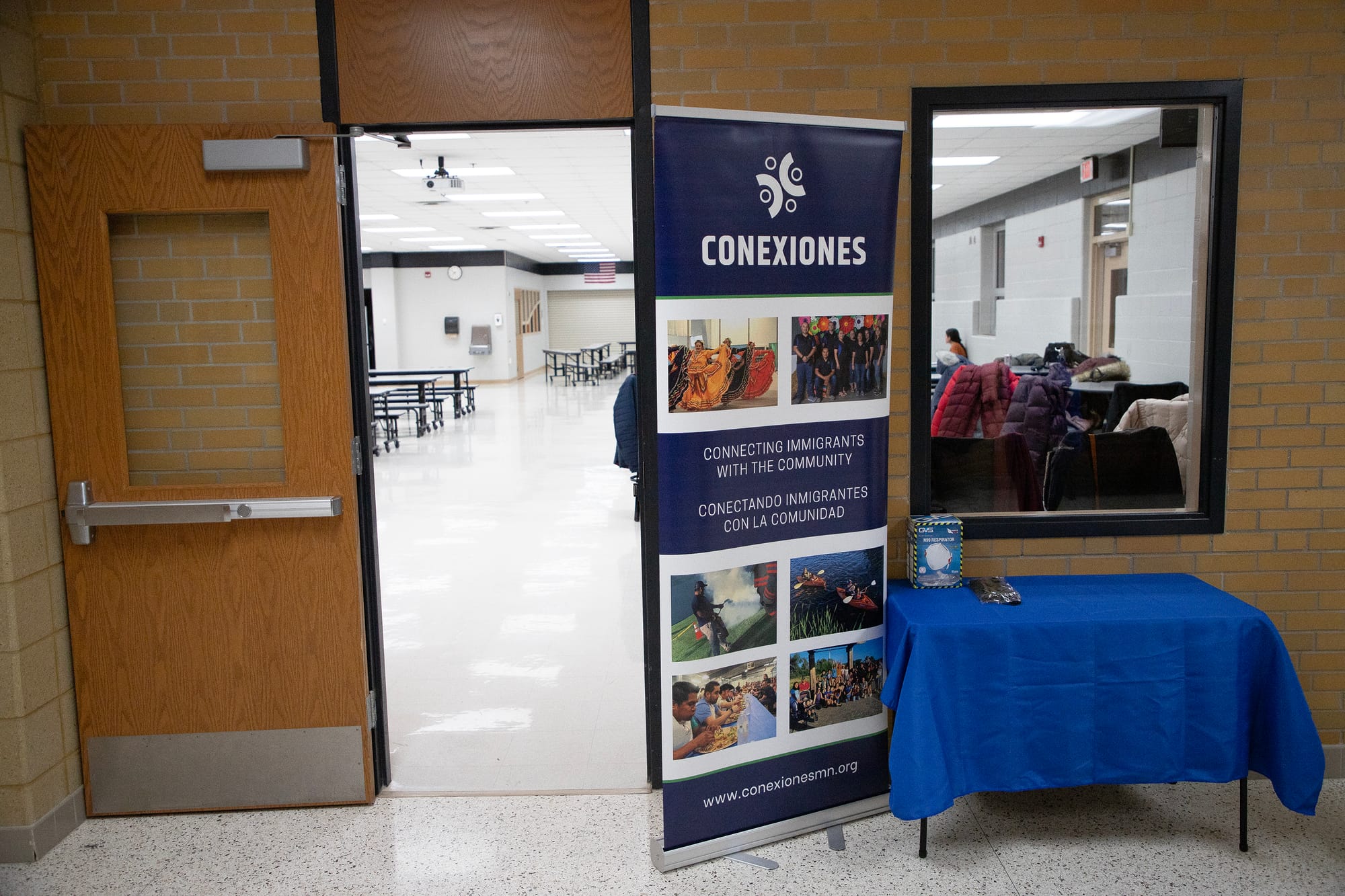
That’s from an interview I did after our dialogue in Morris, Minnesota with nonprofit group Conexiones. Conexiones provided interpreters and translated all our materials into Spanish so we could have a bilingual conversation. We held it in west central Minnesota in the winter of 2024. I’m speaking to a woman named Maria after moderating a group conversation on belonging and immigration with her and four others, plus the interpreter. People talked about times they fit in and times they didn’t and where the community can do better.
This was one of my favorite events. We started with a drum circle led by John Salgado Maldonado and Nicole Konz of Purpose Artisans.
Audio clip, John: Just jump in when you’re ready. Listen first. That’s a good exercise too in the community. Listen first. What’s going on? How can I contribute in a better way? … woo!
So come back and join us in our next episode and learn about how we overcame our first hiccups:
• helping people share without reactivating trauma,
• the ethics of recording these conversations,
• not stepping on the toes of other organizations doing this work.
And we’ll talk about the positive ripple effects and the challenge of tracking impact.
Music: “Elevated" by Jada Brown.
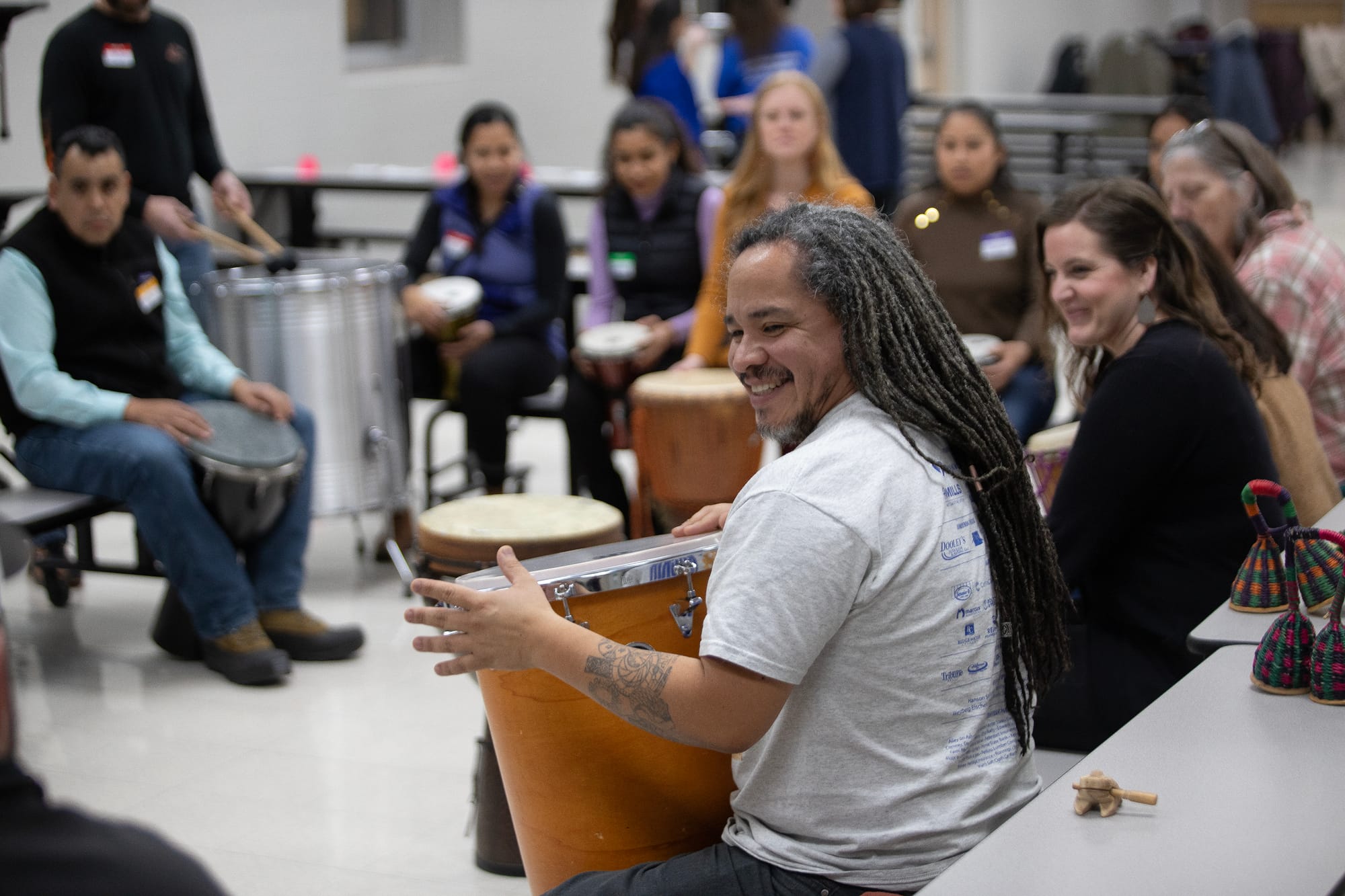
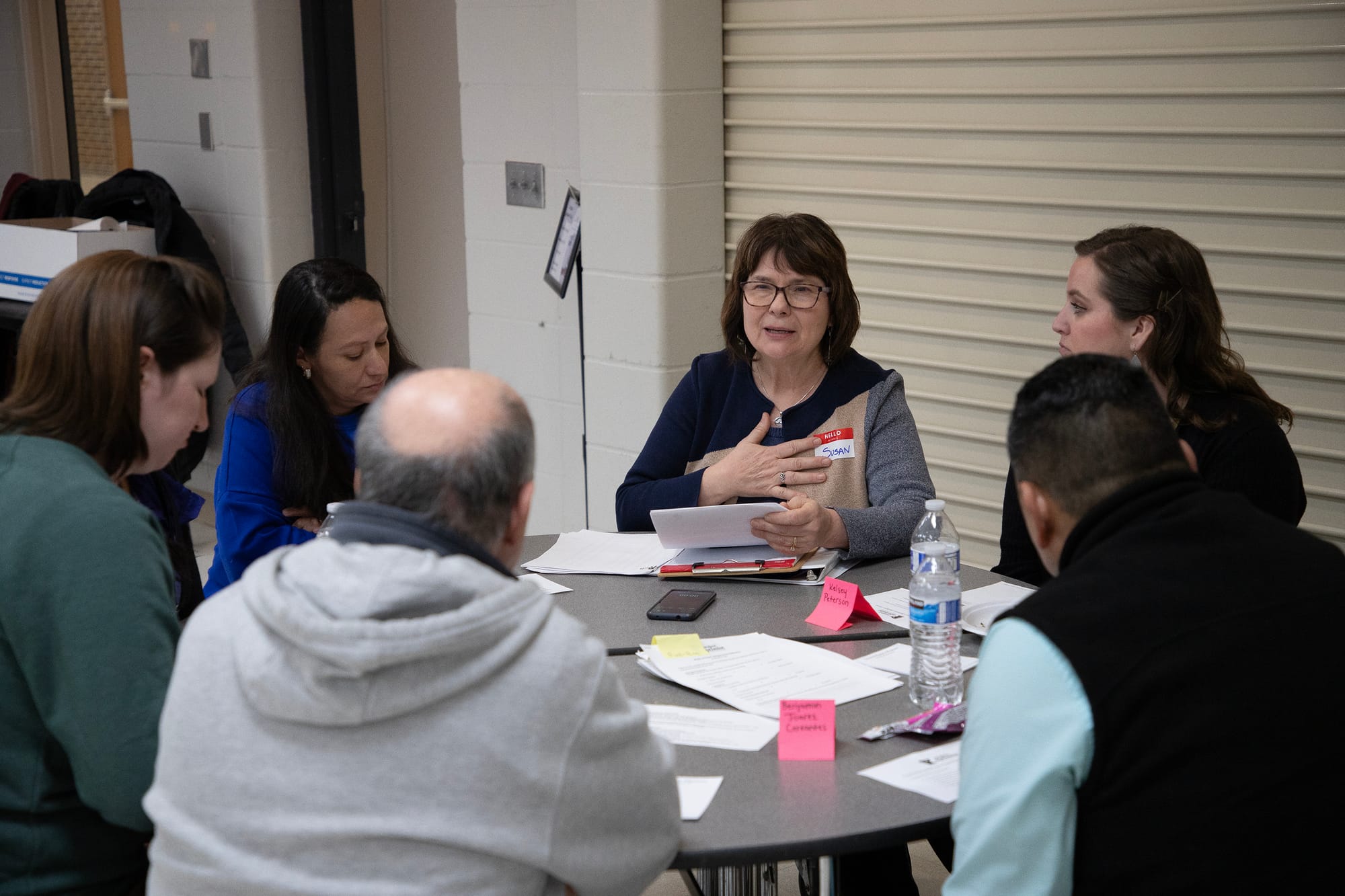
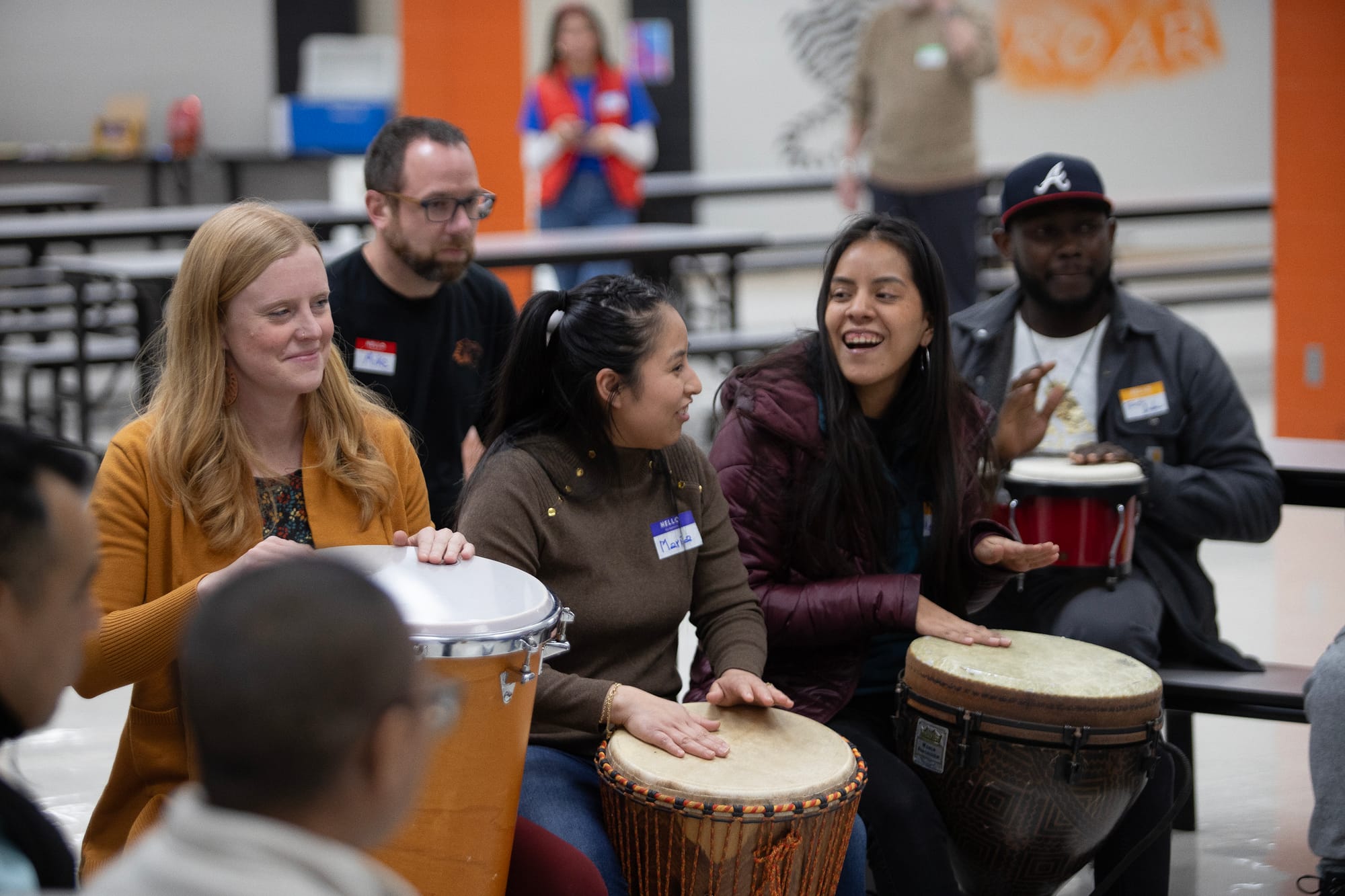
Photos from the Shades of Purple event on January 11, 2024, with Conexiones in Morris, Minn. (Colleen Harrison for Project Optimist)
Credits
This series is brought to you by Project Optimist with support from a McKnight Foundation Vibrant & Equitable Communities grant and a Tiny News Collective grant.
It was produced by Project Optimist staff with help from Laurie Stern and Bek Johnson.
Our theme song is “Elevated” by Jada Brown. Explore her music at lnk.bio/downtownjadabrown.
Follow Project Optimist at Projectoptimist.us - that’s our website and our handle on Instagram and Facebook. We’re on TikTok and LinkedIn as Project Optimist. Subscribe to our free newsletter for a healthy dose of good news every Wednesday.
Special thanks to our partners for our first event in St. Cloud: Stearns History Museum and Central Minnesota Community Empowerment Organization.
Thanks to our partners at Conexiones in Morris: Executive Director Autumn Macias and Assistant Director Alma Contreras.
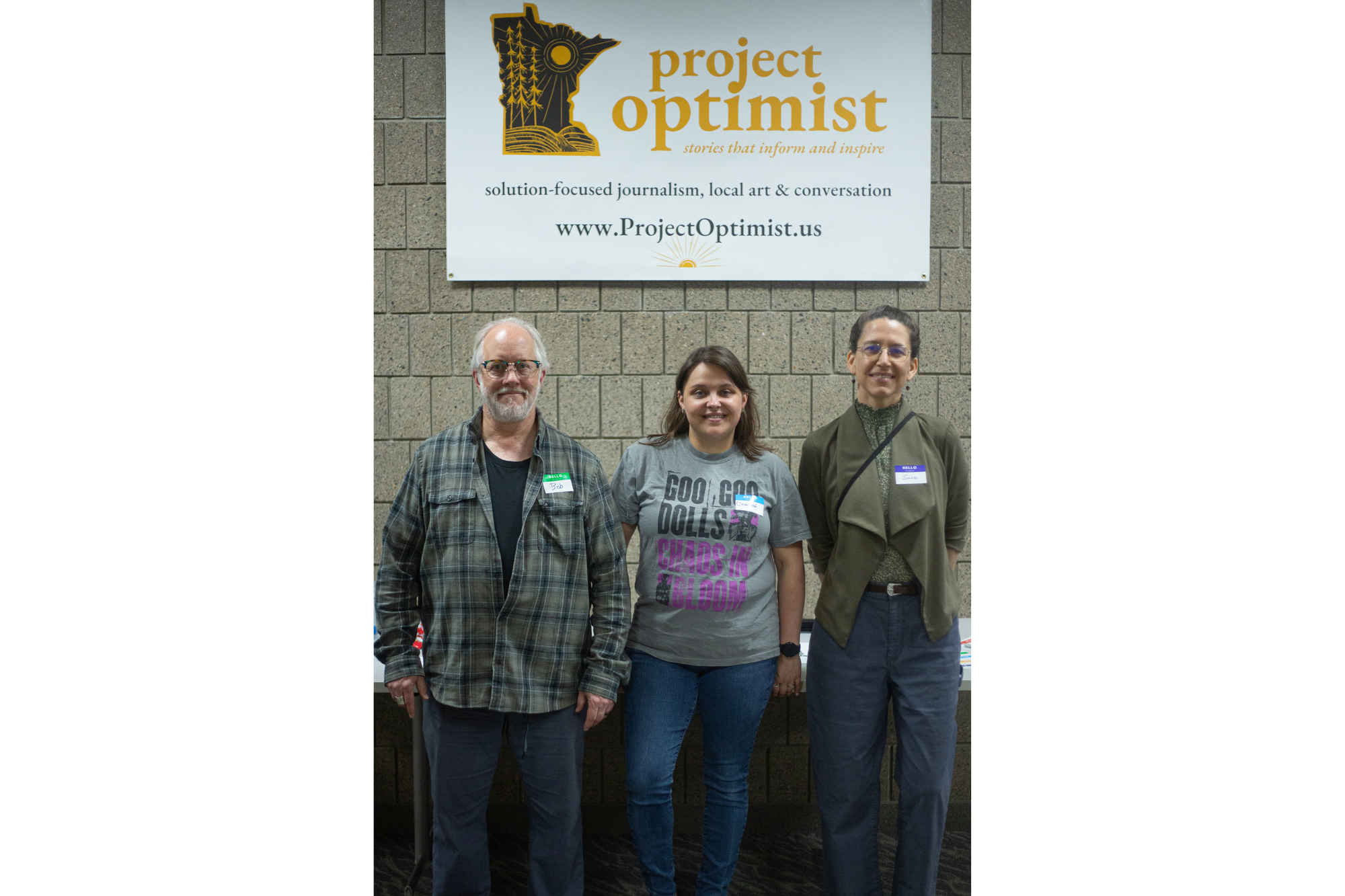
Thank you to our volunteer moderators! In St. Cloud: Sara Nimis, Bob Filipcsek, and Chantal Ochesle. And in Morris: Thank you Susan Lau and Bruce Anderson.
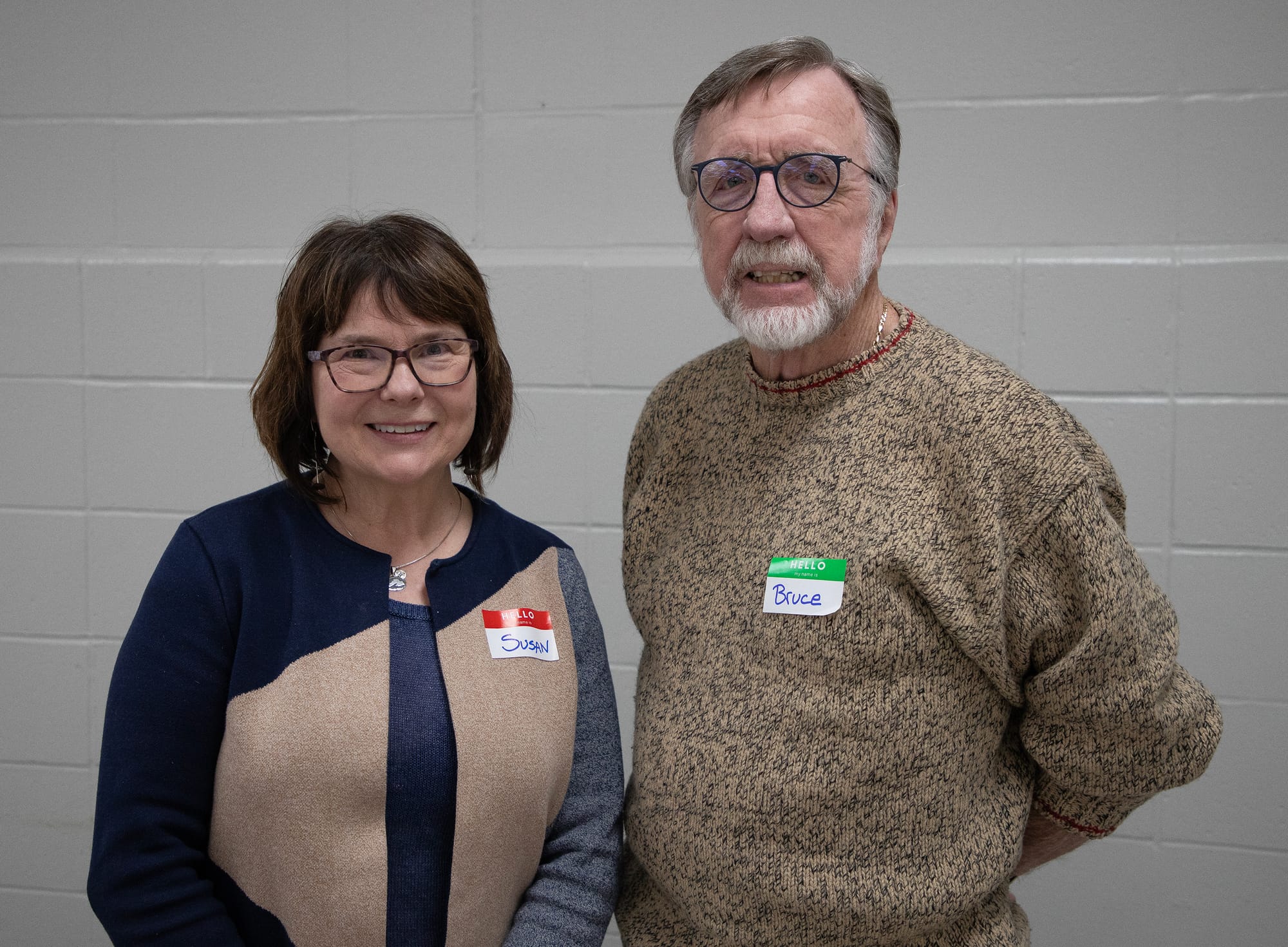
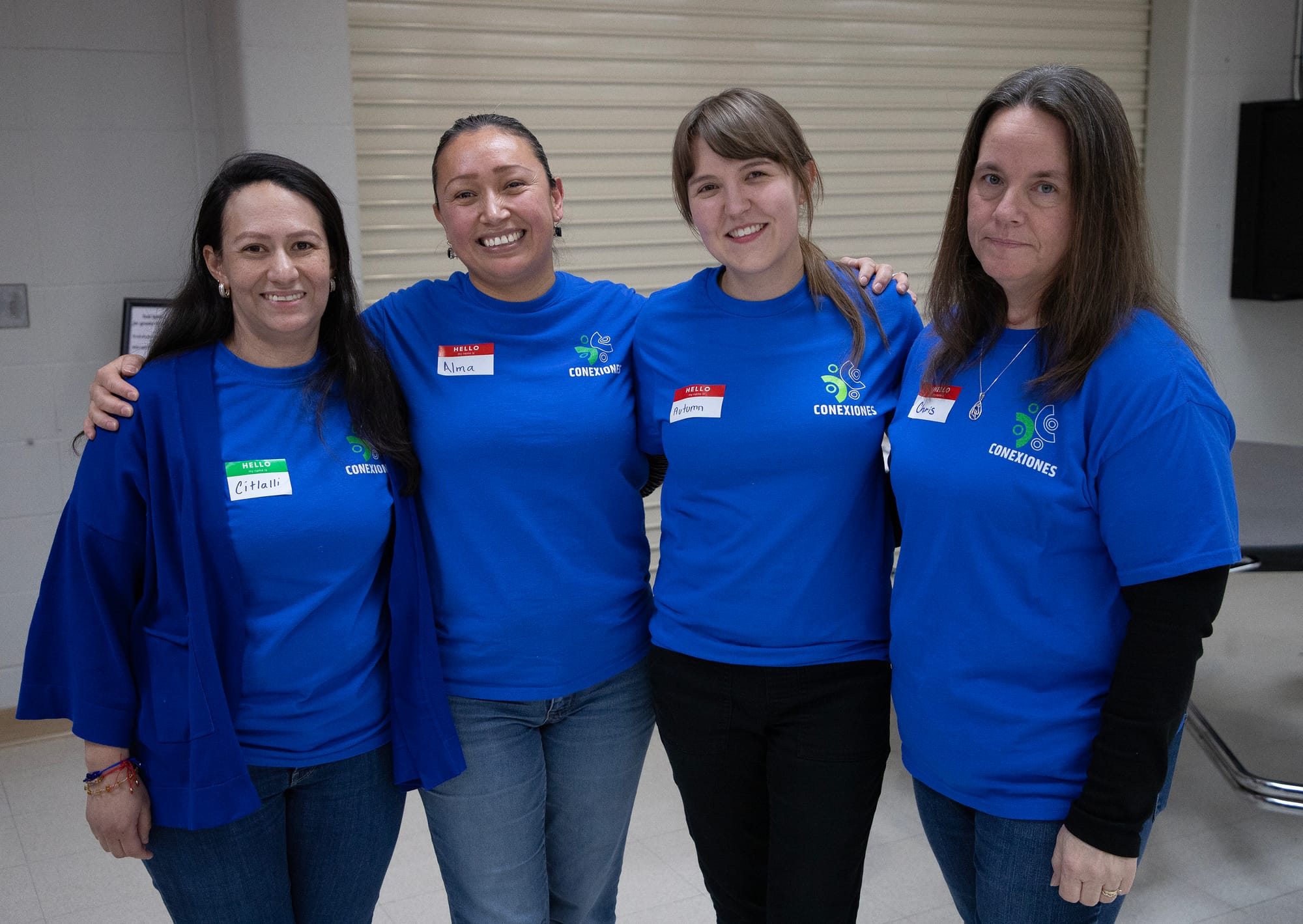
Thanks to Project Optimist’s former event manager Alexa Shapiro who coordinated the conversation in Morris and cohosted a version of this series which was scrapped for parts. (As I said, it’s been a journey.)
Thank you to Project Optimist Visual Storyteller Erica Dischino. Thank you to our former managing editor and current board member Jen Zettel-Vandenhouten. And thank you to all of our board members.
Colleen Harrison took our photos at the Morris event. Shannon Rathmanner took our photos at the first St. Cloud event. Thank you to both our photographers.
I, Nora Hertel, recorded some of the audio, wrote the script, and edited our media.
Becca Most edited our script and transcript.
Thank you to everyone involved with Project Optimist.
To our audience, thanks for listening. We appreciate you so much. Thanks for listening to the end of our credits.