COMMUNITY VOICES | How a resident-owned manufactured home community works
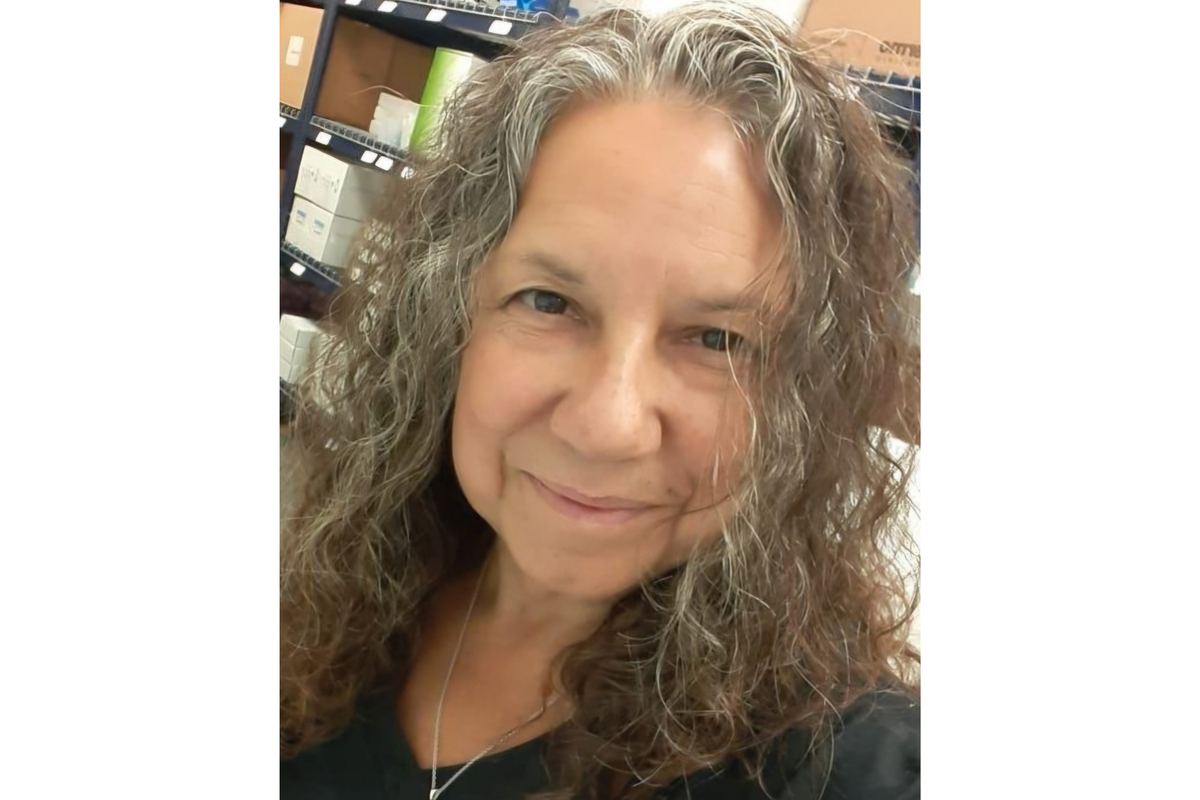
An interview with Natividad Seefeld, president of Park Plaza Cooperative in Fridley, Minn.
Fridley, Minn. – There are fifteen resident-owned manufactured (mobile) home communities in Minnesota, and the list keeps growing. These residents cooperatively purchase and manage the communities that they live in, preserving the affordability and letting the residents set the priorities for managing their neighborhood. Democracy in action!
Natividad Seefeld, 65, has been the president of Park Plaza Cooperative in Fridley, Minn., since it became a cooperative Feb. 15, 2011. We spoke to her about her experiences.
I would do it again in a heartbeat, as long as it means keeping people in their homes. I like everything about it. It is a great learning experience. I have the opportunity to not only be a board member but everything that goes along with it. I totally love it.
We have an on-site manager that we pay, but as president you still have to do a lot. Sometimes you have residents who passed away and the family can’t find the title, doesn’t want the house … then what? There is a lot involved behind the scenes that residents don’t see.
For example, getting people to the storm shelter, getting that 93-year-old person over there. Who has the key to open the shelter in time and move in whoever needs to be moved?
What we forget to talk about is mental stability. Who do we talk to when we have a bad day? Do I have a typical day? It depends if it is a weekday or the weekend, and the weather.
If you are becoming a cooperative, hire a lawyer to help write the community rules. It is hard to go back and change them. And know your rights, so you don’t have to deal with these big corporate buyers. Work really hard to become a cooperative if you can.
The toughest part is getting people to follow the community rules. Is a party going past the curfew? People will be calling. Do people have too many animals, too many cars in front, too many people living in the house? People will be calling.
With a big storm, the fear is which tree is going to go down next. When you start out, some of the homes in the community are already at the end of their life, so you are worrying about the next 10 to 20 years of infrastructure. And there is the challenge of who is on your board and what are their abilities, for example, who can help write grants?
What would I like people outside of the park to understand? We are not trailer trash. We need to change how we are perceived. We are a community. During the ICE surge we never worked so damn hard to keep people safe, to make sure they had groceries, to get them to the doctor and get our children to school.
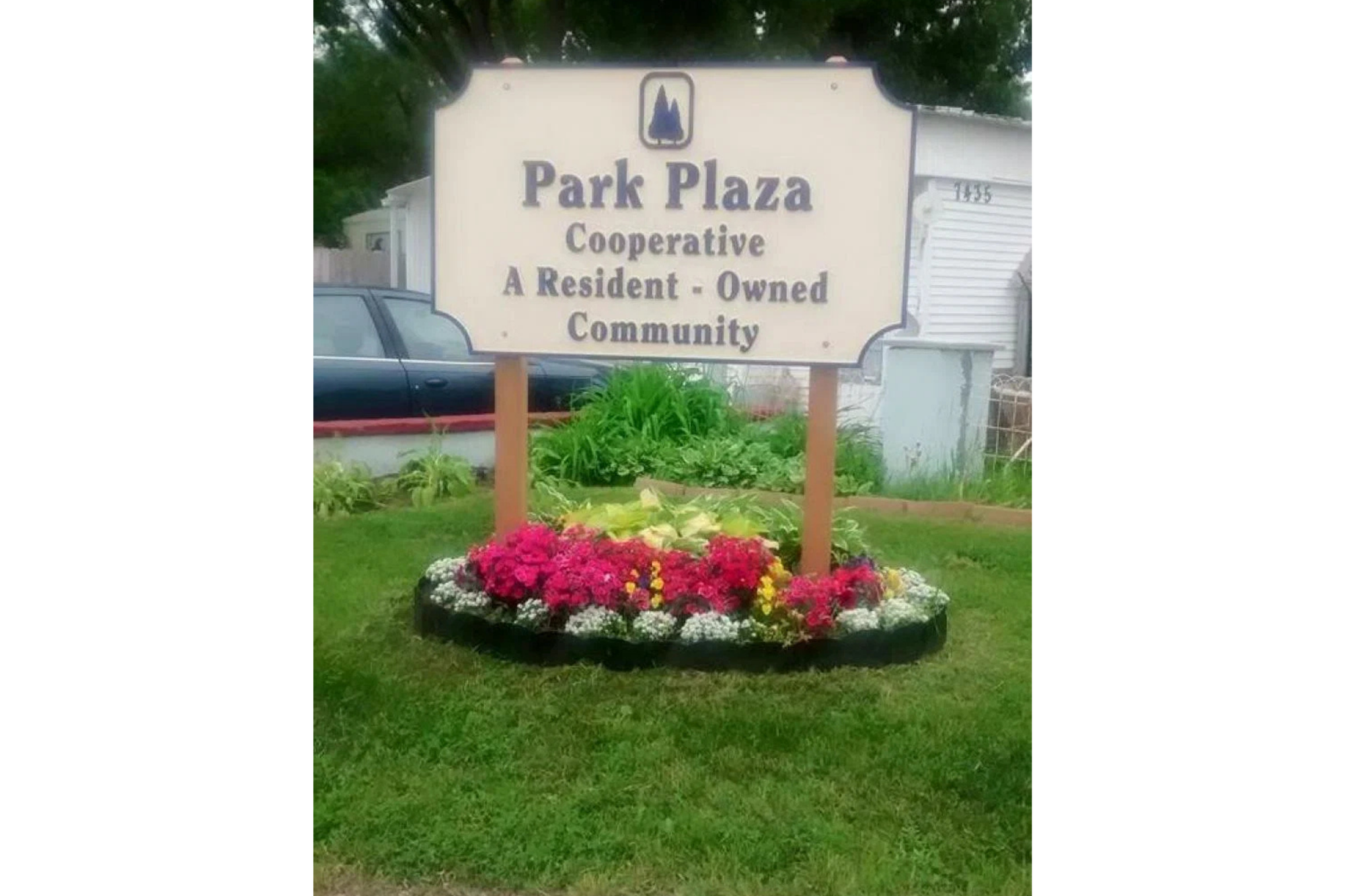
People absolutely understand they are in a cooperative. They are safe here. It is stable and (outside owners) won’t get rid of the park from out from under them. They know they have control of the rent, it isn’t going up unexpectedly. In 2016 we did a million dollars of upgrades and didn’t raise the rent. In 2018 we built a storm shelter and raised the rent six dollars a month.
I invited the old owner of the park to come and see the new storm shelter, the office, all the improvements. It gave him an opportunity to see what had happened, how we made it happen as a cooperative. This is something that is legendary and you helped us with the opportunity to purchase.
To learn more about becoming a resident-owned community cooperative, visit CoNorth.coop.