65% of college students feel lonely. Moorhead students share solutions
Minnesota State University Moorhead students – most of them LGBTQ+ – share stories of how they meet and overcome isolation.
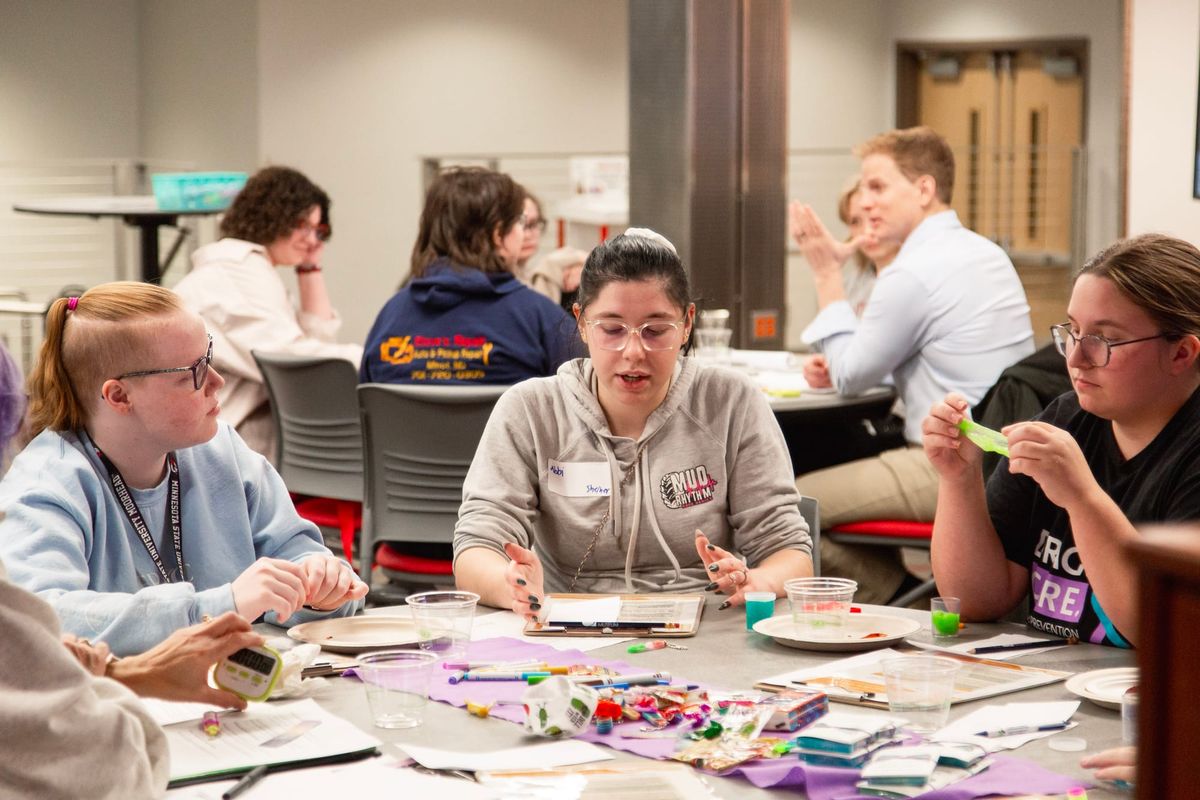
This event and story were supported by a social isolation grant from the West Central Initiative. Students filled out surveys and shared take-aways in a large group discussion on condition that they would not be named in follow-up stories.
MOORHEAD – Isolation is a universal experience. One can feel alone while surrounded by people.
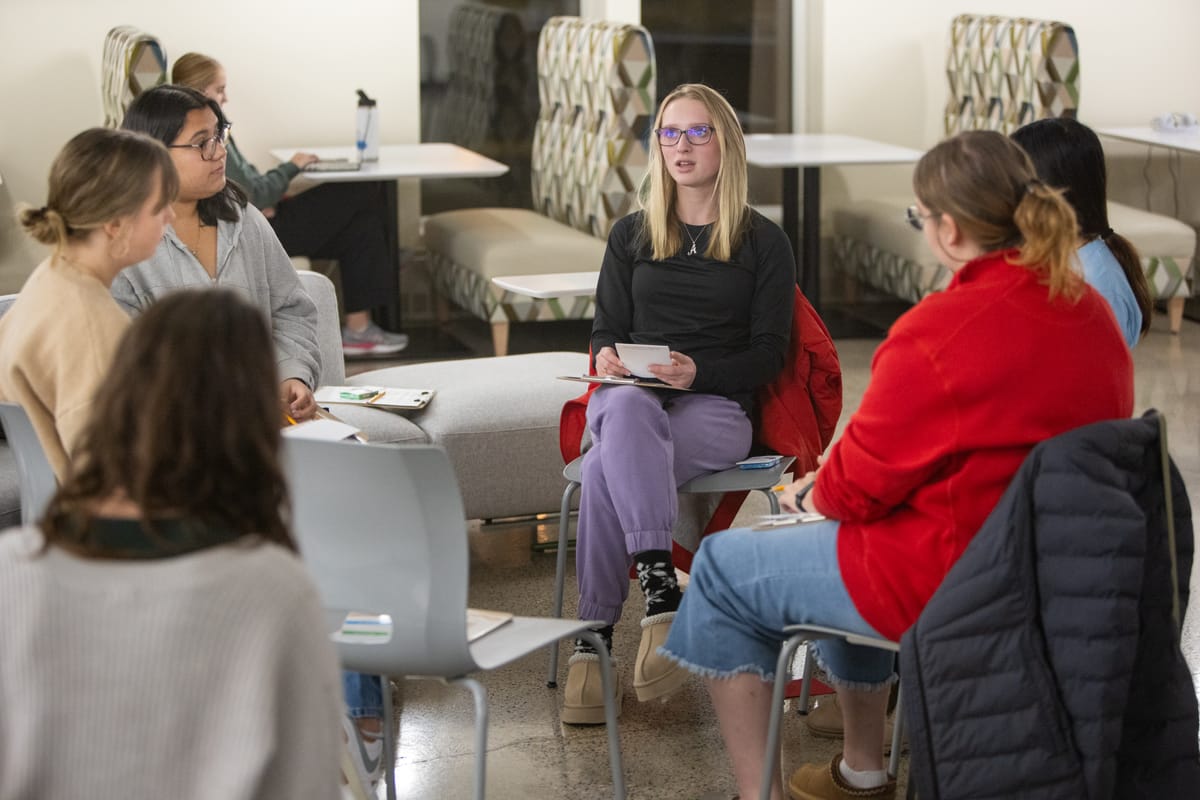
That’s what students and Moorhead area community members agreed on during large and small group discussions at Minnesota State University Moorhead in November. They shared experiences of isolation, loneliness, and connection.
In 2023, the surgeon general declared loneliness and social isolation an epidemic. Rates of loneliness among young people have been rising for decades. And young adults today spend about 70% less time with loved ones than they did two decades ago, according to the surgeon general’s advisory. A more recent study of college students revealed 65% reported feeling lonely.
Moorhead college students shared stories about times they felt disconnected and how they addressed that feeling. Some felt disconnected in their first semester and year at MSUM. One showed up to Late Night Breakfast while trying to be more outgoing and social, but “within the first 10 minutes, I felt so alone.”
Another felt alone at a party where they “ended up just sitting and watching.” And another felt disconnected “quite a bit” and “socially weird.”
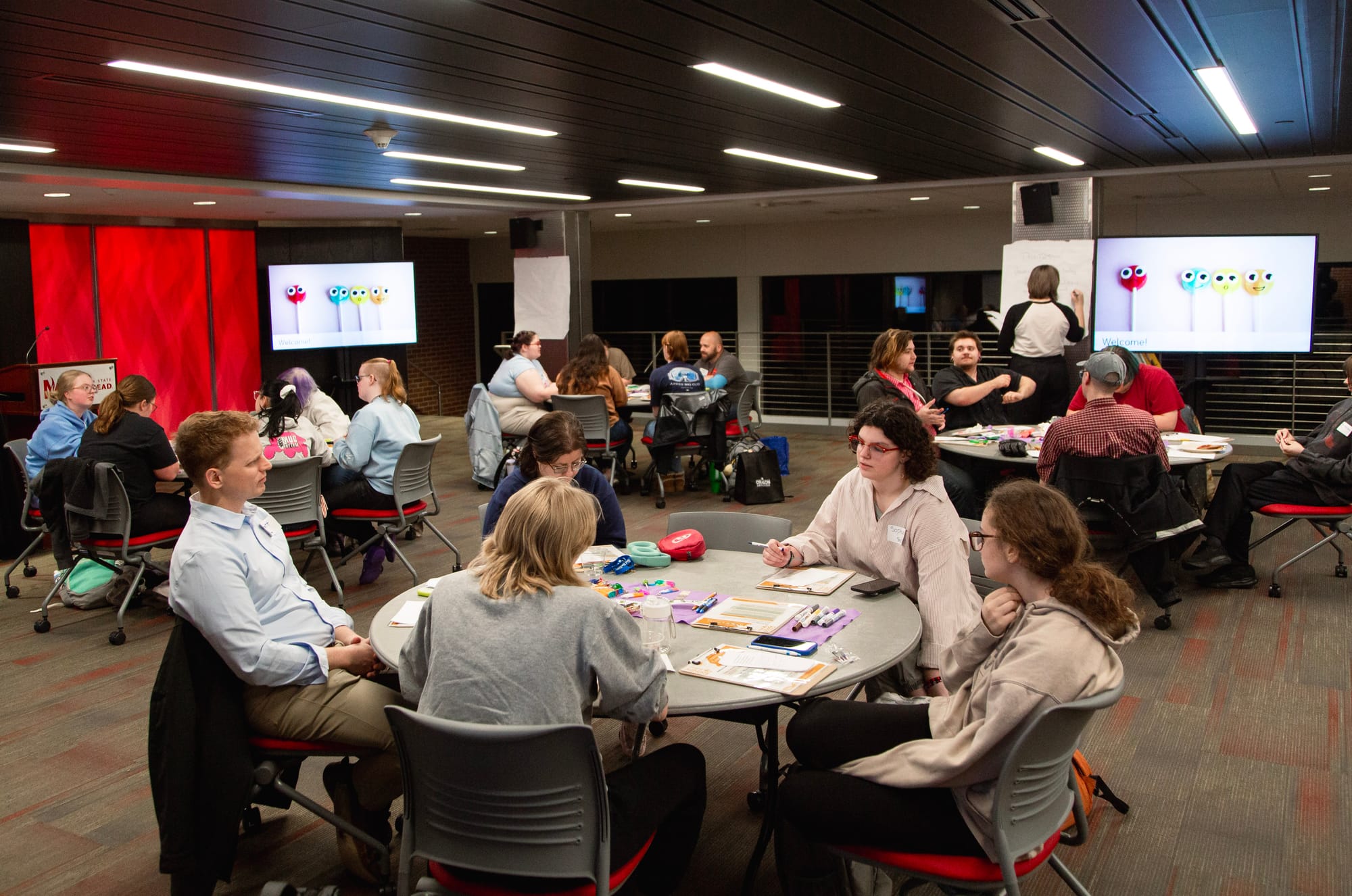
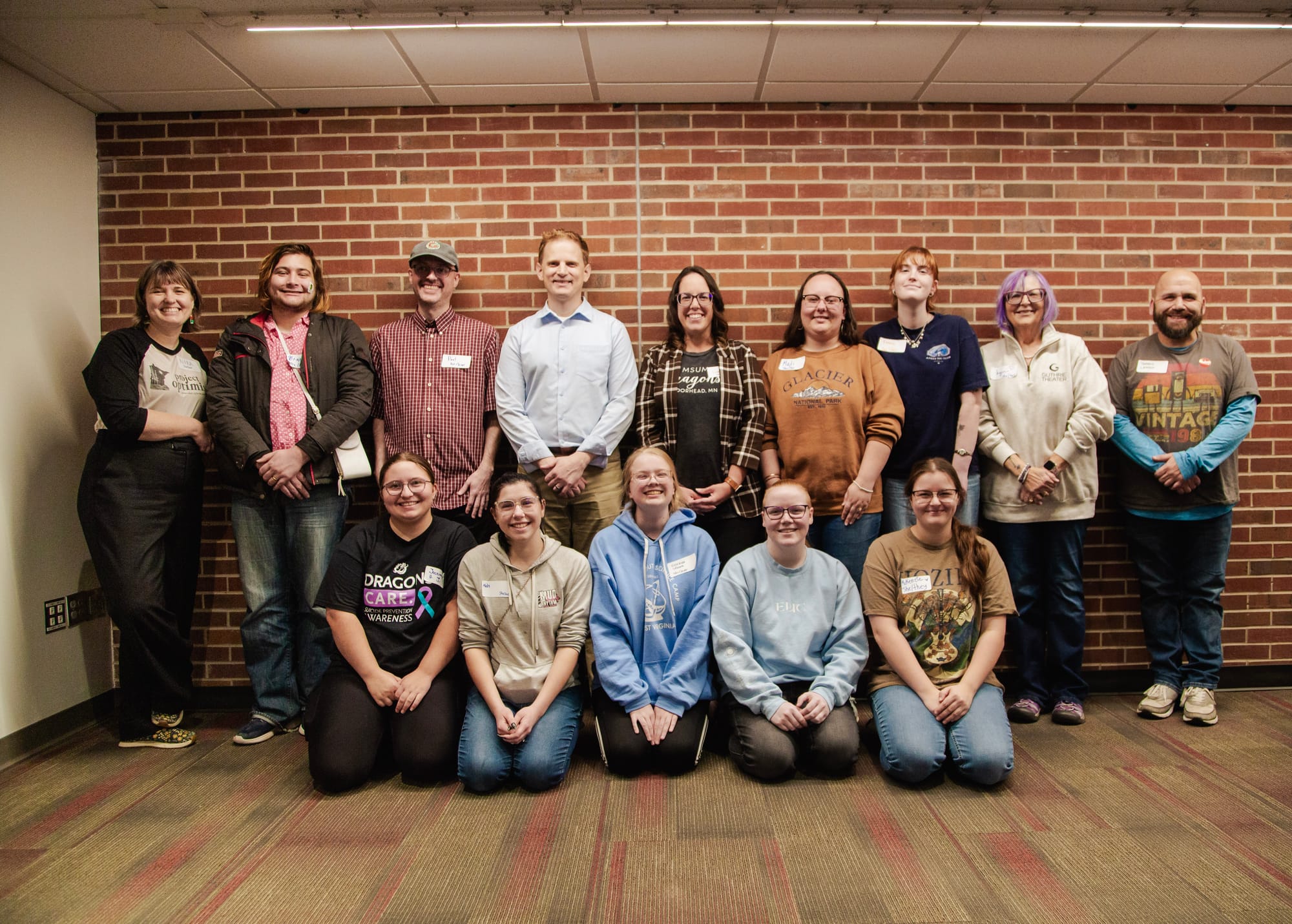
These stories emerged from the MSUM conversations in November. Project Optimist and MSUM’s Wellness Educators cohosted the event, and four community volunteers facilitated the small group conversations.
Identity helps and complicates connection
Among the 15 students, two-thirds identified as LGBTQ+ and many shared about the impact of disabilities, cultural differences, neurodivergences, and other aspects of their identities that affected how they fit in.
“Being a queer transgender autistic person, it's hard to find where I fit in. There's only a small group of trans people on campus, and it's hard to fit in with cisgender people,” wrote one student in a survey at the event.
Another student shared that they felt, “too Native for the white groups.”
 Jen Zettel-Vandenhouten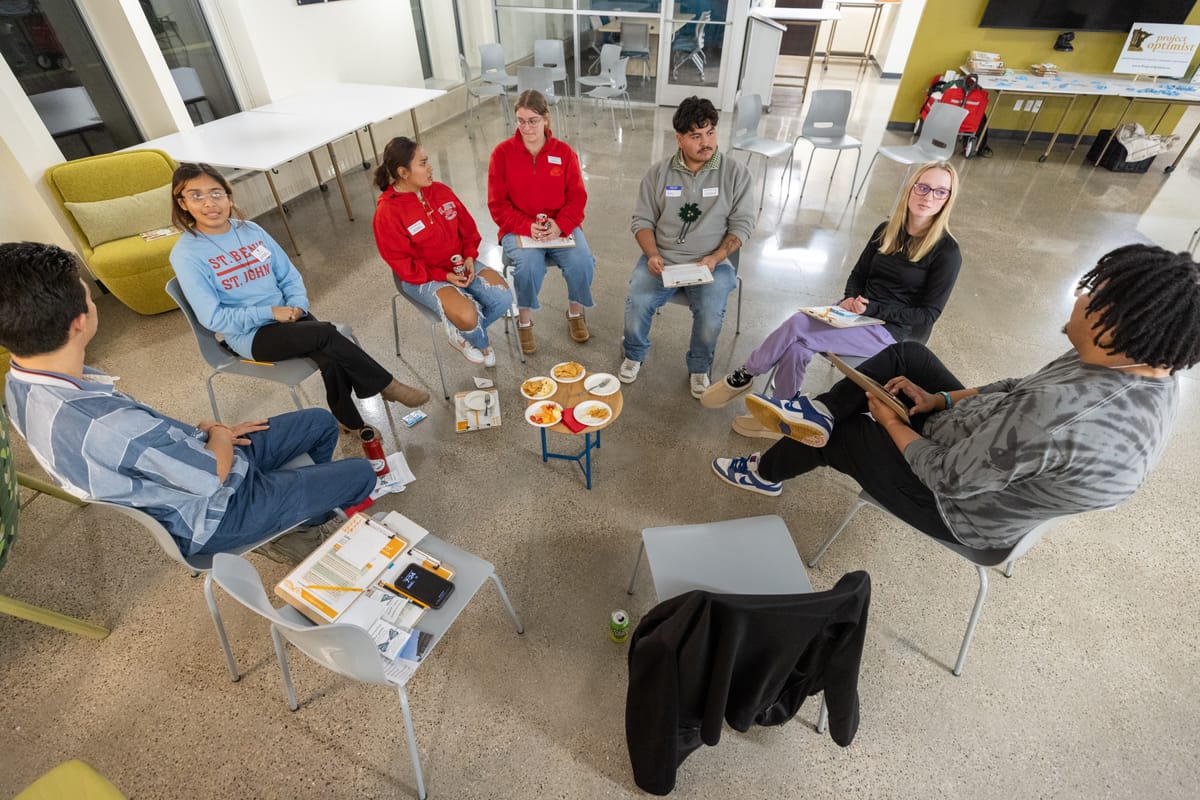
Students have forged connections because of identities that sometimes make them feel different or disconnected.
“I'm autistic, queer, and disabled. My identities give me a chance at connection, but also (can make me) a target.” wrote one student
One student shared a different experience: “I haven't had much problem connecting on campus because I had found my people right away.”
Values and advocacy draw out some students
MSUM Wellness Educators helped draft the questions that guided the November conversations.
One asked: How do your personal values influence the way you contribute to our campus or community at large? Share a story of what that looks like for you.
The answers made it clear that students and the facilitators from the broader community show up to support other people. They showed up to protest, to support food drives, to learn new things, to meet with others who are like them.
One student joined the Wellness Educator program because they value kindness and helping people, and they can help by educating on mental health or promoting healthy choices. Another keeps “emergency cash” on hand when possible to help those who might need a meal or $20.
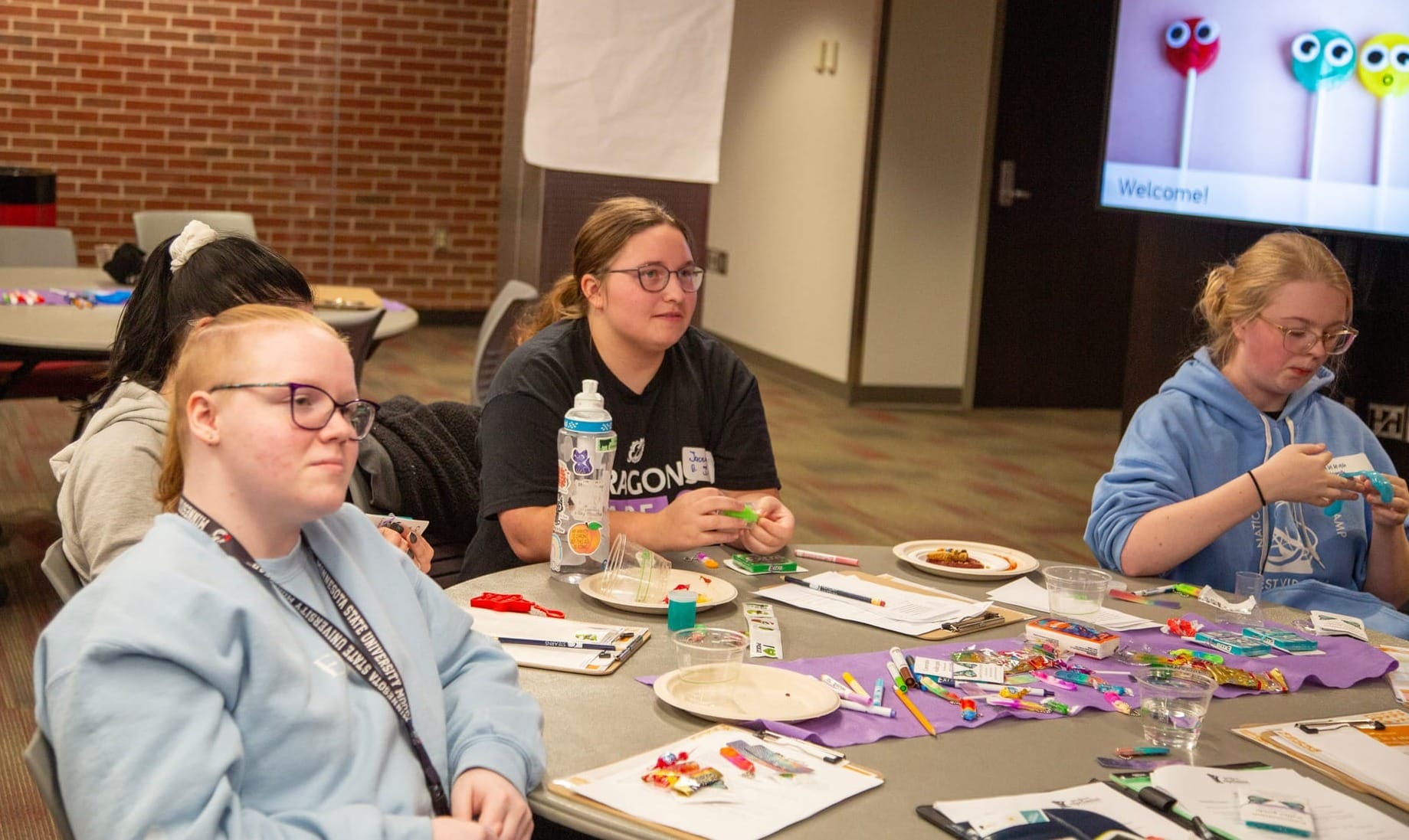
Students also talked about finding community and building community.
“I try to build community with my peers. I try to help others and by helping others, it helps me. To overcome this, communication and teamwork is huge,” wrote one student.
Another shared: “I decided to create my own space by interacting with others who are similar to myself.”
 Jen Zettel-Vandenhouten
Other ways students overcame isolation
Some waited it out: “I stayed isolated till I was put in a new environment.”
Some pushed themselves: “Just forced myself to get out there.”
Others were drawn out: “People started noticing me alone and approached me, and now I approach others who are alone.”
Others found their people: “[I] found people with similar experiences to me.”
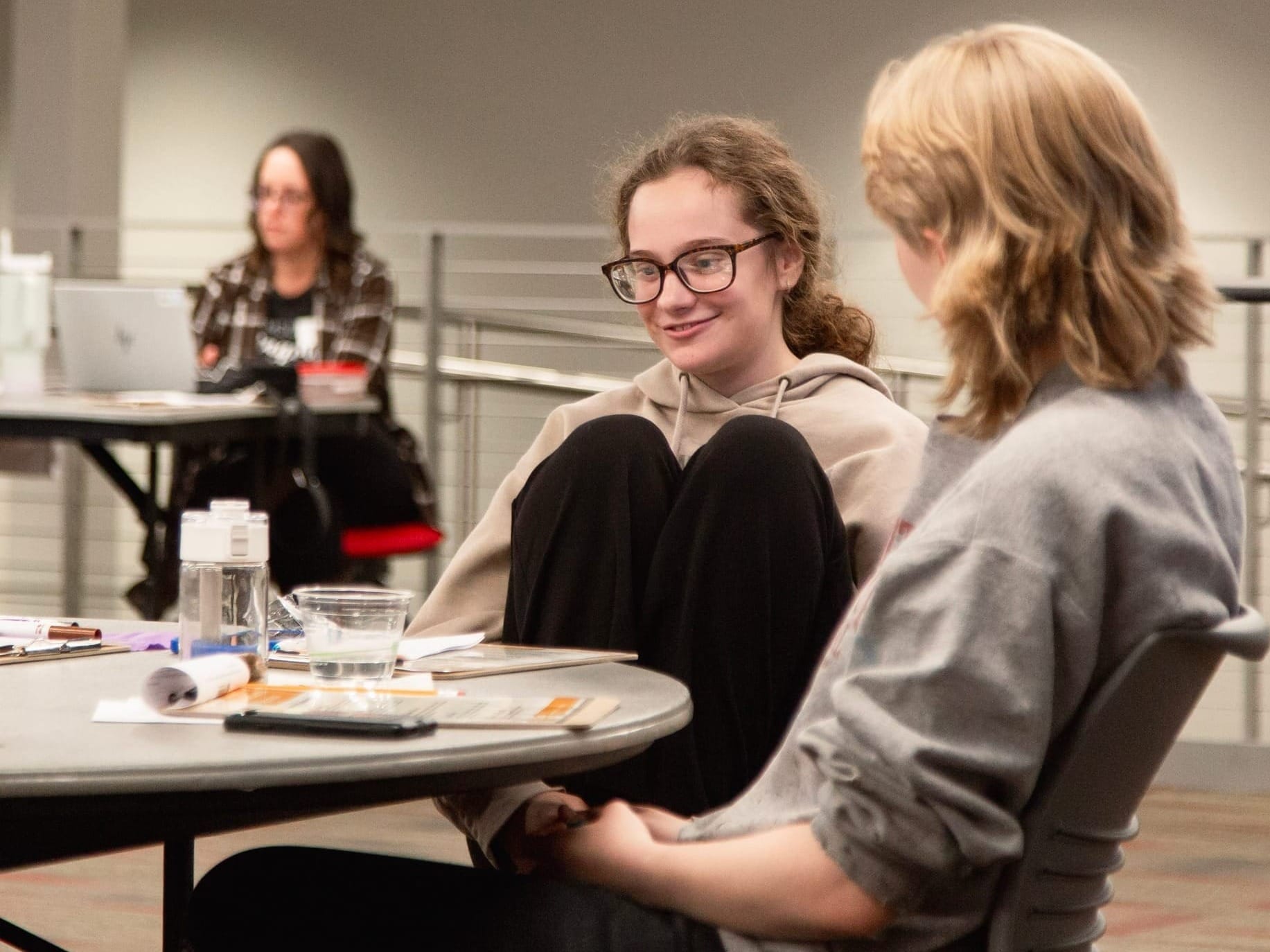
These students also prioritized their mental and emotional wellbeing with therapy and self-care practices. They talked about building trust and vulnerability over time, allowing themselves to be found, and engaging even when it’s hard.
“It is OK to be wrong, and growth can be from a community level and an individual level,” one student wrote.
 Jen Zettel-Vandenhouten
What can leadership do?
Students also had suggestions for campus leadership. They want to be listened to and heard. They want more support for students with marginalized identities. They appreciate supportive places like the Women’s Center and the Rainbow Dragon Center. They’d like to see more collaboration across groups. And they want more events including more events like the November conversation. (Find events for MSUM students on this page.)
These students shared that connection happens at that institutional level down to small groups and individuals actions.
“It's important to recognize that no matter how different we seem or appear, that we still have things in common,” a student wrote. “We are one and we make up the world. We truly are not strangers.”
Becca Most edited this story. Lisa Kremer (Project Optimist's partner and the Wellness Educators advisor at MSUM) reviewed it. Nora Hertel fact-checked it.
Support community-based, solution-focused local news like this with a donation today.
 Jen Zettel-Vandenhouten